
Strip lights have quietly become one of the most popular lighting choices in modern homes, and it is easy to see why. These slim, flexible fixtures fit into places that traditional bulbs simply cannot reach, and they turn ordinary corners into striking visual features.
Whether you want to highlight a false ceiling, brighten a kitchen counter, or add a warm glow behind your bed, this lighting option offers a simple way to elevate any room. This guide walks you through everything you need to know before you buy, install, or style them in your home.
What Are Strip Lights
Strip lights are thin, flexible circuit boards fitted with tiny LED bulbs placed at regular intervals along their length. They usually come on a roll, often with an adhesive backing, which allows you to cut them to size and stick them along skirting boards, shelves, cabinets, or ceiling coves.
Unlike bulky fixtures, this lighting sits almost flush against a surface, so the source stays hidden while the glow does the work. Most modern versions run on low voltage direct current, which keeps them energy efficient and safe to handle during installation. Because they are so adaptable, they now feature in everything from compact flats to sprawling villas.
Types of Strip Lights for Your Home
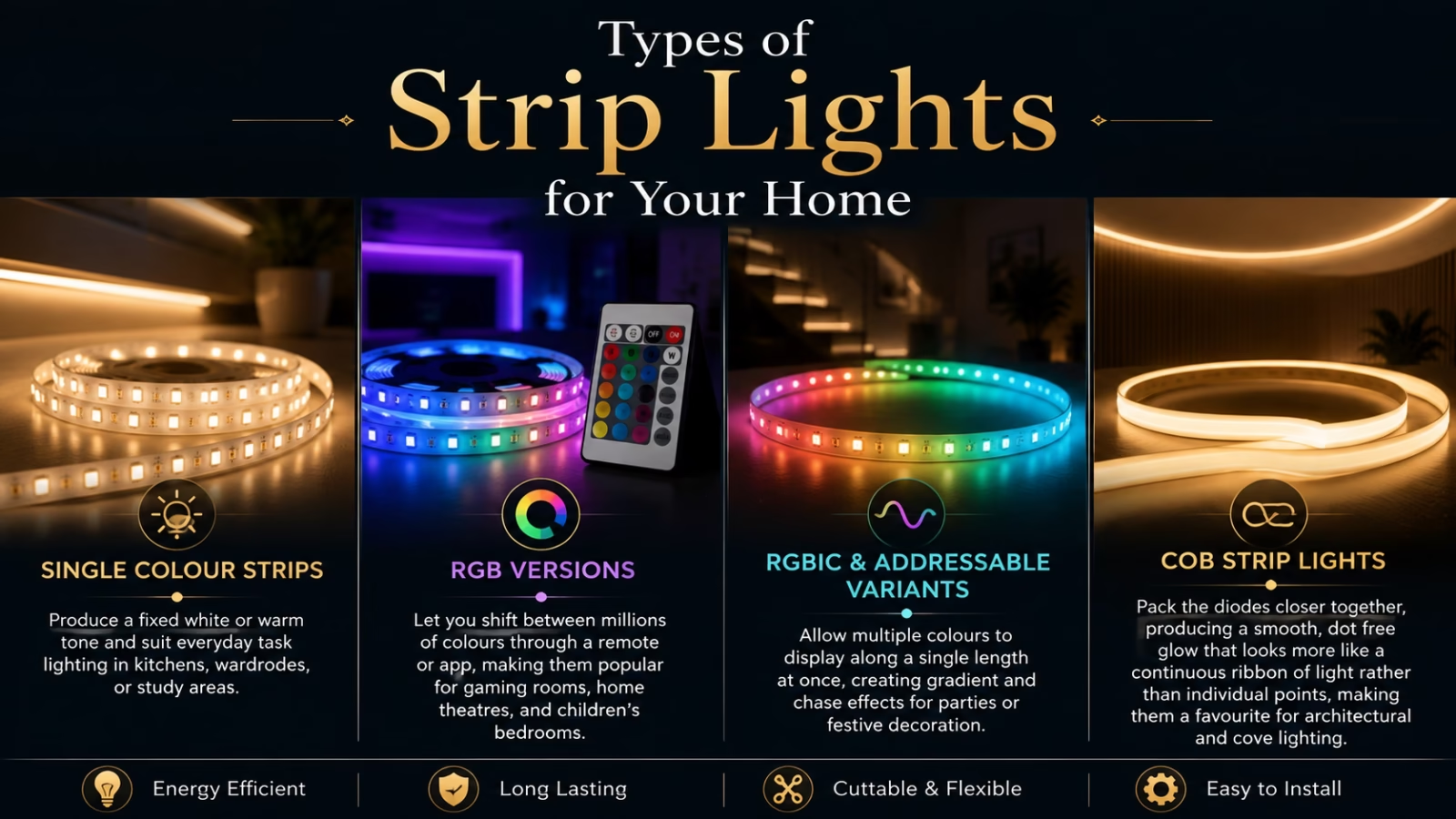
Not every strip serves the same purpose, so understanding the categories helps you pick correctly.
- Single colour strips produce a fixed white or warm tone and suit everyday task lighting in kitchens, wardrobes, or study areas.
- RGB versions let you shift between millions of colours through a remote or app, making them popular for gaming rooms, home theatres, and children’s bedrooms.
- RGBIC and addressable variants allow multiple colours to display along a single length at once, creating gradient and chase effects for parties or festive decoration.
- COB strip lights pack the diodes closer together, producing a smooth, dot free glow that looks more like a continuous ribbon of light rather than individual points, making them a favourite for architectural and cove lighting.
How to Choose the Right Strip Lights
Selecting the right option depends on a handful of practical factors rather than appearance alone.
- Brightness: Lumens per metre tell you how much light a strip produces. Task areas such as kitchen counters need higher output than mood lighting behind a television.
- Colour rendering index (CRI): This indicates how accurately colours appear under the light. A CRI above 90 works best for spaces where you apply makeup, cook, or read.
- Colour temperature: Warmer tones around 2700 to 3000 Kelvin create a cosy feel, while cooler tones above 5000 Kelvin suit workspaces and productivity zones.
- Water resistance: An IP65 rating suits kitchens and bathrooms where splashes occur, while fully outdoor installations need an IP67 rating or higher to withstand rain and humidity.
- Power supply: Longer runs need adequately rated drivers to avoid dimming or overheating at the far end.
Best Rooms to Install Strip Lights
- Living room: placed behind a television or along a false ceiling border, the indirect glow reduces eye strain during evening viewing and adds depth to the room.
- Bedroom: tucked behind a headboard or along a wardrobe base, it offers a gentle night light without the harshness of an overhead bulb.
- Kitchen: fitted beneath cabinets, it illuminates countertops exactly where you chop and cook.
- Staircase: run along each step or the handrail, it makes footing considerably safer after dark.
- Bathroom: framing a mirror, it produces flattering, shadow free illumination for grooming.
- Outdoor patios and balconies: weatherproof fixtures tracing railings or planters extend usable hours after sunset.
Read More: Magnetic Track Light: The Complete Guide to Flexible Modern Lighting
Installation Tips for a Clean Finish
A tidy installation makes the difference between a professional look and a messy one.
- Clean the surface thoroughly before sticking any strip lights, since dust or grease weakens the adhesive and causes peeling within weeks.
- Measure your run carefully and cut only along the marked lines, which sit at fixed intervals to protect the circuit.
- Use aluminium channels wherever possible, since these give a neater, recessed appearance and help dissipate heat, extending the lifespan of the diodes.
- Hide connectors and wiring inside trunking or behind furniture so the finished result looks seamless.
- Plan your power source location before you start, as awkward cable routing is far harder to fix once everything is in place.
Placement and Vastu Considerations
Many homeowners in India also think about traditional placement principles when planning their lighting. Vastu Shastra generally favours brighter, warmer lighting in the north and east sections of a home, areas associated with positive energy and clarity.
The kitchen, often placed in the southeast corner, benefits from bright, functional lighting that supports the fire element associated with that direction. Bedrooms typically call for softer, warmer tones rather than sharp white light, since restful colours support better sleep.
While these are traditional guidelines rather than strict rules, many households blend Vastu principles with modern lighting design to create spaces that feel both balanced and beautifully lit. Placing warm toned fixtures near the entrance also welcomes positive energy into the home, while dim, layered lighting in the living area supports gatherings without overwhelming the senses.
Read More: False Ceiling Lights: Design, Colour and Cove Light Guide
Maintenance and Safety
Strip lights need very little upkeep, though a few habits extend their life considerably.
- Wipe the surface gently with a dry or slightly damp cloth to remove dust, since built up grime dulls brightness over time.
- Avoid bending the strip sharply at right angles, as repeated flexing at the same point can crack the copper traces and cause dark patches.
- Match the driver wattage to your strip length rather than overloading a single power supply, since undersized drivers overheat and shorten the life of the entire run.
- For kitchens and bathrooms, choose a properly rated waterproof option rather than relying on extra sealant, since moisture ingress remains one of the most common causes of early failure.
Latest Trends in Strip Lighting
Home lighting has moved firmly towards smart integration, and strip lights sit right at the centre of that shift. Voice controlled fixtures now sync with assistants for hands free dimming and colour changes, while music reactive versions pulse in time with sound for a livelier atmosphere during gatherings.
Dot free, high density strips have become the preferred choice for architectural coves and shelving, since they produce an even ribbon of light rather than visible points. Warmer colour temperatures also continue to dominate residential preferences, reflecting a broader shift towards cosy, inviting interiors rather than stark white illumination. As smart homes become more common, expect this lighting to play an even bigger role in everyday design.
Final Thoughts
Strip lights genuinely change how a room feels, turning flat, evenly lit spaces into layered, dimensional ones. By choosing the right type, positioning fixtures thoughtfully, and following basic installation and safety practices, you get lighting that looks professional and lasts for years.
Whether your goal is practical task lighting or pure ambience, a well planned setup rewards the effort many times over. Start small with one feature wall or shelf, then expand once you see how the glow transforms the mood of your home.
Ready to bring your home to life with the perfect blend of style and function? Explore expert home decor, Vastu, and lighting guides on Zen Nest Living, and discover practical tips to design interiors that feel beautiful and truly liveable. Connect with our experts as well, they will guide you in transforming your home and finding good homes.
Frequently Asked Questions
1. Do strip lights consume a lot of electricity?
No, they use significantly less power than traditional bulbs or tube lights. Most residential strips draw between 5 and 15 watts per metre, making them an economical choice for long term use even when left on for several hours daily.
2. Can I install them myself without an electrician?
Yes, most plug in kits are designed for DIY installation and only require sticking the adhesive backing and connecting a low voltage power adapter. However, permanent wiring into your home’s electrical circuit is best left to a qualified electrician.
3. How long does this lighting typically last?
Quality LED strips generally last between 25,000 and 50,000 hours of use, which translates to many years of regular evening lighting. Proper heat dissipation through aluminium channels and a correctly rated power supply help maximise this lifespan.
4. Are strip lights suitable for outdoor use?
Yes, but only versions rated IP65 or higher, which indicates resistance to dust and water splashes. For fully exposed outdoor areas facing direct rain, look for an IP67 rating and ensure connectors are properly sealed against moisture.
