
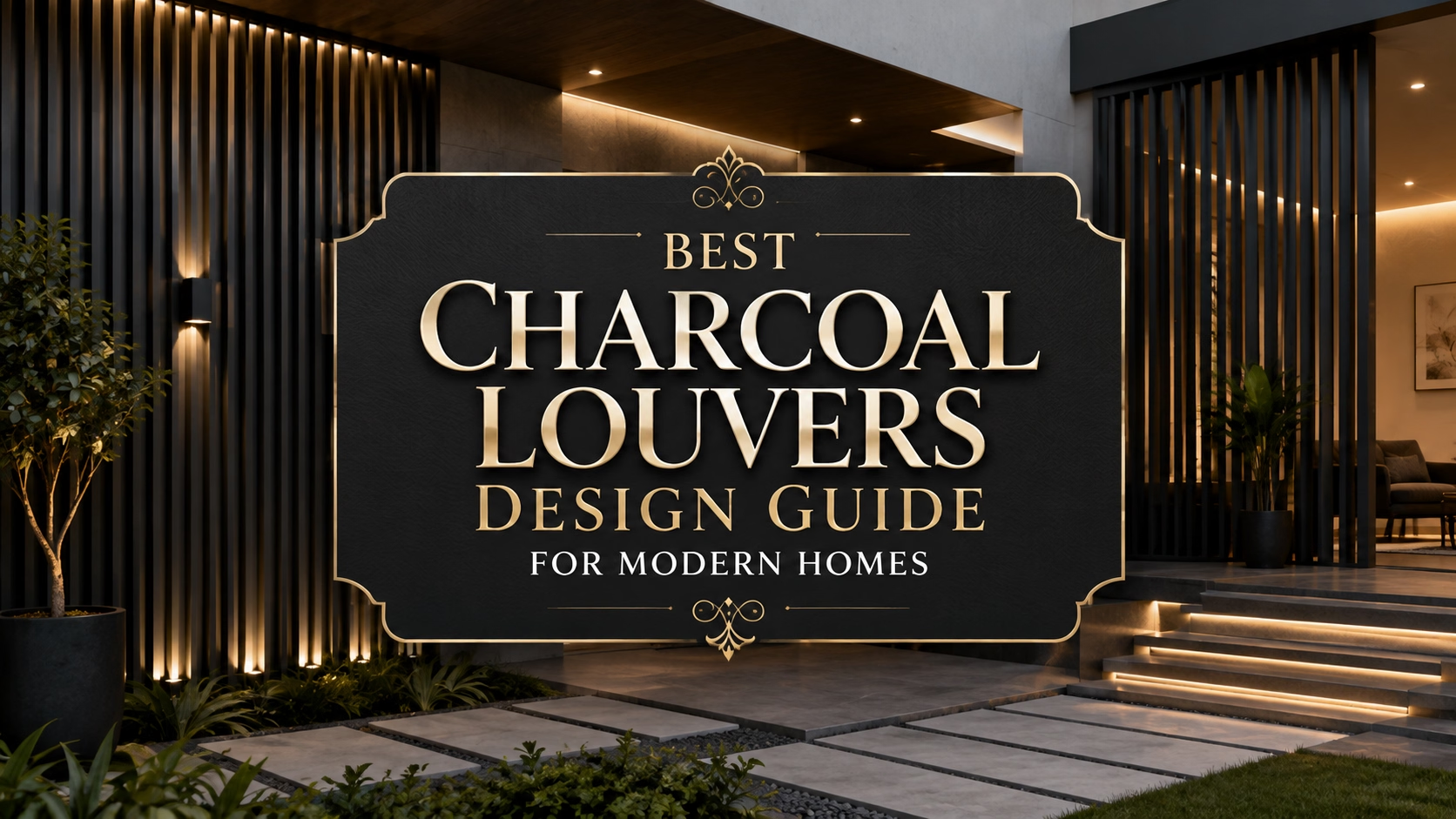
Homeowners are moving away from plain, flat walls. They want texture, depth and a touch of drama in every corner of their property. Charcoal louvers have stepped in to answer that demand. These slatted panels bring a rich, dark finish to walls, gates, balconies and ceilings. The style works equally well indoors and outdoors, which makes it a versatile choice for architects and interior designers alike.
This guide provides an understanding of the types of charcoal louvers, where they are best suited in a home, and which type is best for your home. It also includes maintenance instructions, cost considerations and a few Vastu tips for installation. At the end, you’ll know if this material is right for your next renovation or new construction.
What Are Charcoal Louvers
Charcoal louvers are decorative slatted panels that are finished in a dark charcoal color. The slats are arranged in a vertical or horizontal pattern, creating a sense of rhythm and shadow on a surface. These panels are typically made of WPC, PVC or aluminium, but there are also solid wood options for a warmer feeling underfoot and to the touch.
The dark tone instantly adds an air of sophistication to a space. Charcoal is a soft-toned black, which is a great choice to coordinate with wood, brass, marble, and warm lighting. This balance of boldness and subtlety is why this finish is a favourite for architects for both flats and large villas. Interior designers frequently cite it as an easy-to-implement method to transform a plain wall into one that is worth a second glance.
Materials Used in Charcoal Louvers
The material behind these panels determines how long they last and where they can be installed.
- Wood polymer composites are made from a blend of the wood fibre and polymer, which provide excellent resistance to moisture and termites. It is a popular composite for semi-outdoor applications like gates and balconies where some exposure to the rain is inevitable.
- PVC choices are lightweight, waterproof and cheap. They are appropriate for kitchens, bathrooms, and interior feature walls that are exposed to moisture but not constantly.
- Aluminium panels add strength and a contemporary industrial feel. Metal slats are popular with builders for exterior walls, commercial buildings and locations that are exposed to strong winds all year long.
- Wood look variants mimic the texture and warmth of wood without the maintenance requirements associated with solid wood. The composite panels provide the low maintenance that is the hallmark of this style, while maintaining a natural feel.
Why Charcoal Louvers Suit Modern Homes
This design feature addresses a number of issues. It provides texture without overpowering a space, regulates light and air flow, and provides privacy on balconies and gates without blocking the full ventilation. There are few other wall treatments that can do all three jobs as well.
The slatted design also works well with natural light. Sunlight filters through the openings, creating dynamic patterns of light and shade on the floors and walls. This effect fluctuates throughout the day, adding dynamism to a home that flat walls can’t replicate. The shifting shadow pattern is what many homeowners initially fell for.
This material also has a high level of durability. Most versions are much more resistant to moisture, termites, and wear than raw wood. The panels are easy to wipe clean with a damp cloth, making them ideal for busy households with limited time for regular cleaning and repainting. It is a combination of low effort and long life that makes this finish a popular choice for architects in new construction and renovation projects.
Where to Use Charcoal Louvers at Home
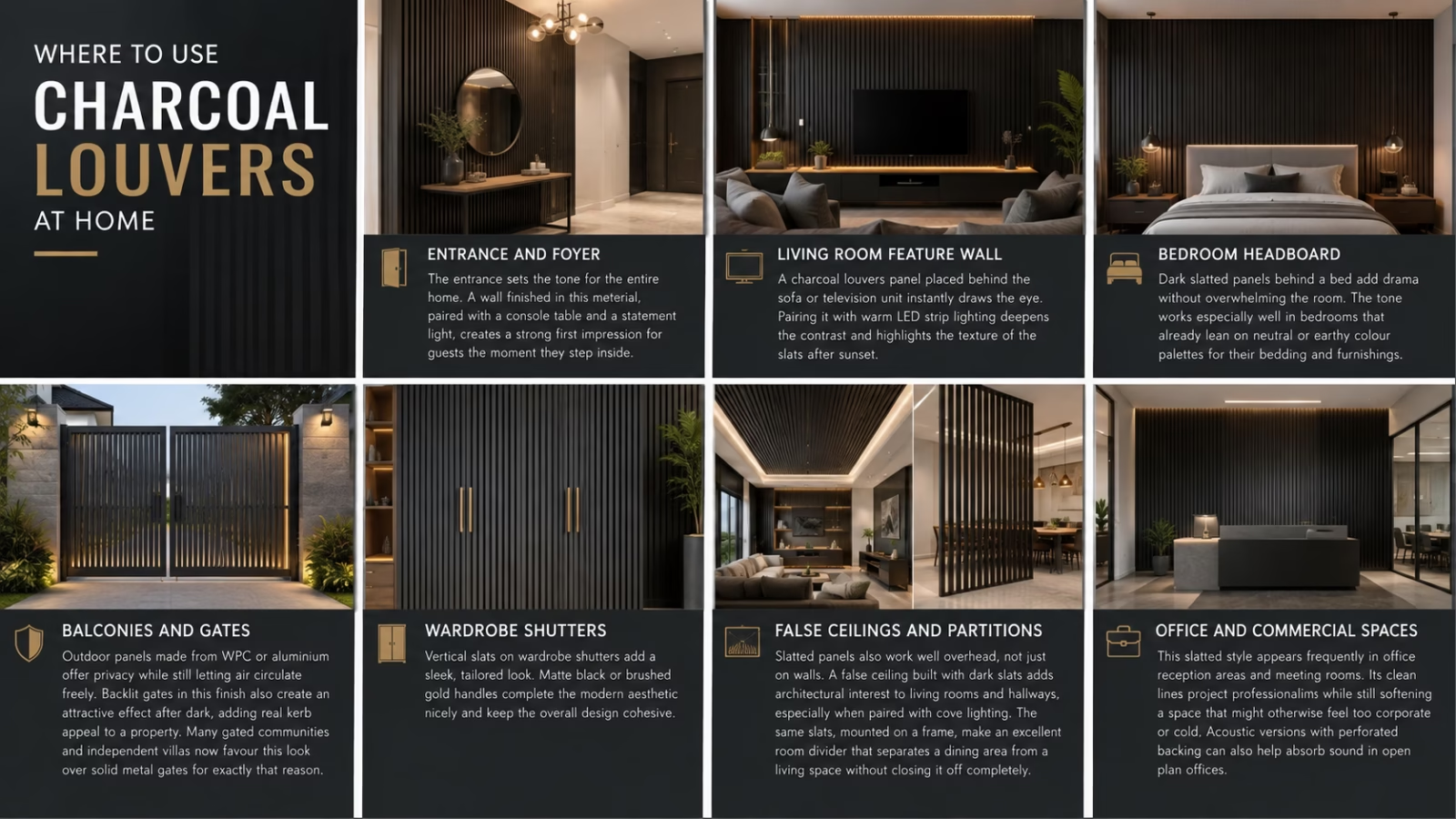
Entrance and Foyer
The entrance sets the tone for the entire home. A wall finished in this material, paired with a console table and a statement light, creates a strong first impression for guests the moment they step inside.
Living Room Feature Wall
A charcoal louvers panel placed behind the sofa or television unit instantly draws the eye. Pairing it with warm LED strip lighting deepens the contrast and highlights the texture of the slats after sunset.
Bedroom Headboard
Dark slatted panels behind a bed add drama without overwhelming the room. The tone works especially well in bedrooms that already lean on neutral or earthy colour palettes for their bedding and furnishings.
Balconies and Gates
Outdoor panels made from WPC or aluminium offer privacy while still letting air circulate freely. Backlit gates in this finish also create an attractive effect after dark, adding real kerb appeal to a property. Many gated communities and independent villas now favour this look over solid metal gates for exactly that reason.
Wardrobe Shutters
Vertical slats on wardrobe shutters add a sleek, tailored look. Matte black or brushed gold handles complete the modern aesthetic nicely and keep the overall design cohesive.
False Ceilings and Partitions
Slatted panels also work well overhead, not just on walls. A false ceiling built with dark slats adds architectural interest to living rooms and hallways, especially when paired with cove lighting. The same slats, mounted on a frame, make an excellent room divider that separates a dining area from a living space without closing it off completely.
Office and Commercial Spaces
This slatted style appears frequently in office reception areas and meeting rooms. Its clean lines project professionalism while still softening a space that might otherwise feel too corporate or cold. Acoustic versions with perforated backing can also help absorb sound in open-plan offices.
Read More: Strip Lights Guide
Vastu Considerations for Charcoal Louvers
Vastu Shastra generally favours materials and colours that support balance and calm energy in a home. Dark tones fall under earth and fire elements, so many Vastu consultants suggest limiting large expanses to avoid an overly heavy feel in any single room.
A moderate application of this finish with warm lighting is recommended for entrances as it brings positive energy into the home, while still being stylish. The panels are also great to pair with lighter shades on the walls in bedrooms to create a restful sleep environment. If a homeowner is very keen on following the Vastu principles, then it is advisable for him to seek the advice of a professional before finalising the placement and proportion of his home.
Cost Factors to Keep in Mind
The price varies with material, thickness and finish quality. PVC options tend to sit at the lower end of the range, while aluminium and premium wood look panels cost more due to their strength and finish. Installation charges also depend on the complexity of the design and whether the panels need custom cutting on site.
Before finalising a supplier, it helps to compare samples in person rather than relying on photographs alone. Lighting in a showroom can make the finish look darker or lighter than it will appear at home, so checking a sample under natural daylight gives a more accurate picture of the final result. It is also worth asking for a warranty in writing, since terms vary widely between manufacturers and can affect long term value.
Maintenance Tips for Charcoal Louvers
One of the biggest advantages of this material is how little upkeep it needs. A soft, dry cloth removes everyday dust, while a damp cloth handles tougher marks without damaging the surface. Avoid abrasive cleaners, as they can dull the matte finish over time and leave visible streaks.
For outdoor installations, an occasional check for loose fittings or minor cracks helps catch problems early before they grow. WPC and aluminium variants handle rain and humidity well, but periodic inspection still extends their overall lifespan considerably.
How to Choose the Right Charcoal Louvers
Start by identifying the location. Interior spaces allow more flexibility with material, while exterior areas need weather-resistant options such as WPC or aluminium rather than softer alternatives.
Next, think about the orientation of the slats. Vertical panels tend to make a wall look taller, while horizontal versions suit wider spaces and create a calm, grounded feel across a room.
Finally, consider how the panel will interact with existing decor. This finish pairs naturally with wood, brass and marble, so choosing complementary furniture and lighting brings the whole design together into one cohesive look.
Final Thoughts
Charcoal louvers offer a rare combination of style, function and low maintenance. Whether used for a dramatic feature wall, a private balcony screen or a sleek wardrobe shutter, they suit a wide range of homes. With the right material, placement and a touch of Vastu awareness, this design choice can transform an ordinary space into one with genuine architectural character that lasts for years.
Ready to give your home a bold, modern makeover? Explore more expert interior design, Vastu and real estate guides on Zen Nest Living, and find practical ideas to turn every wall and gate into a space you will truly love. You can contact our experts as well to get the best solutions.
Frequently Asked Questions
1. Are charcoal louvers suitable for outdoor use?
Yes, WPC and aluminium versions handle rain, humidity and sunlight well, making them a practical choice for balconies, gates and exterior facades.
2. Do these panels need frequent maintenance?
No, they need minimal care. A dry or slightly damp cloth is usually enough to keep the panels looking fresh throughout the year, even in humid climates.
3. Which material lasts longest for charcoal louvers?
Aluminium generally offers the longest lifespan, followed closely by WPC, since both resist moisture, termites and general wear effectively.
4. Can this style be used in small rooms?
Yes, when used as a single feature wall rather than covering every surface, it adds depth to small rooms without making them feel cramped or heavy.
