
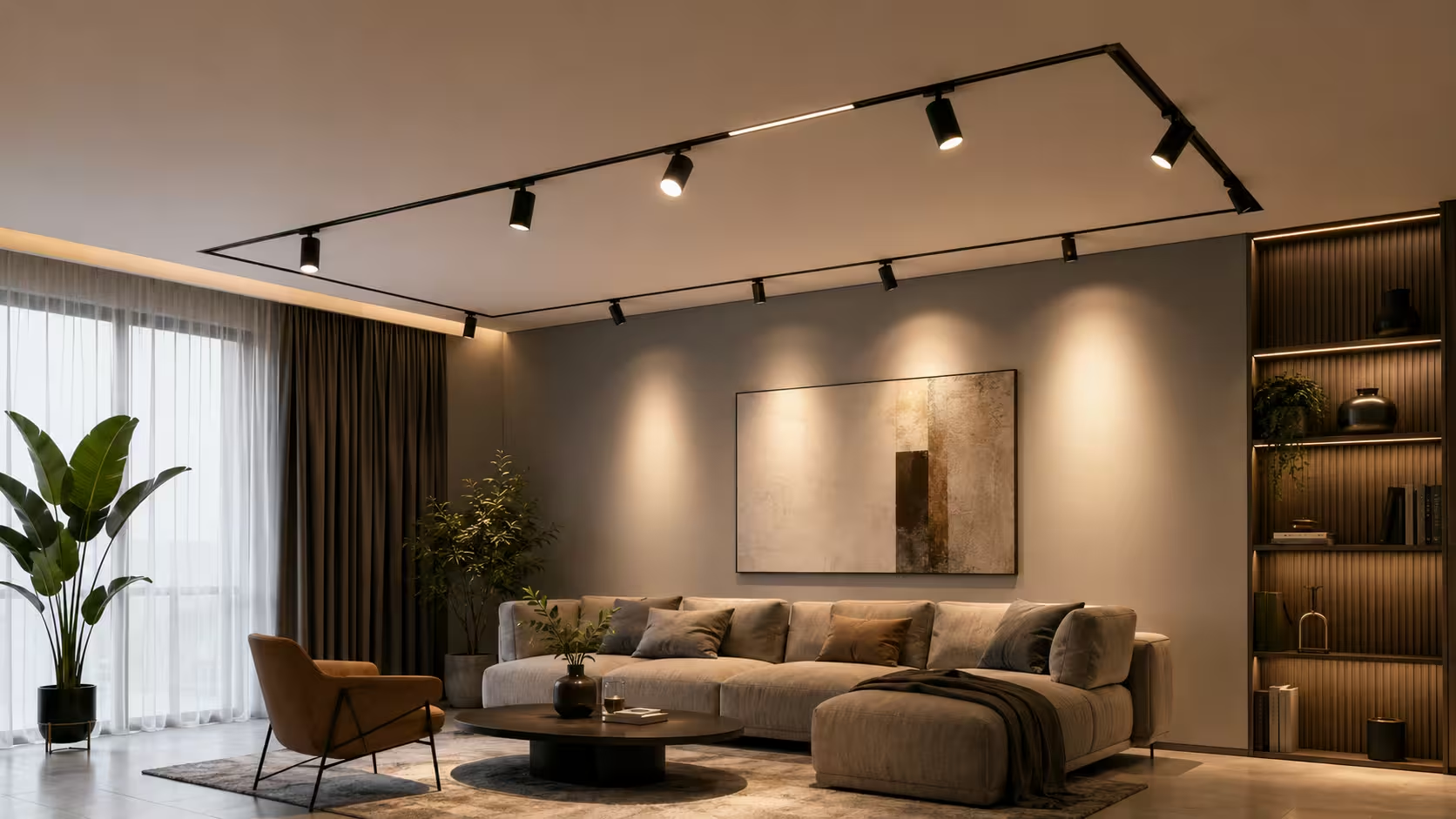
Magnetic track lighting has moved from a niche architectural feature to one of the most requested lighting solutions in modern homes. A Magnetic Track Light system gives homeowners a way to illuminate a space without the rewiring, ceiling damage or long installation timelines that traditional fixtures demand. As interior design trends shift towards flexible, layered lighting, more people are choosing this format for living rooms, kitchens, galleries and even office spaces. This guide explains what a Magnetic Track Light actually is, why it has become so popular in 2026, and how to choose the right system for your home.
What Is a Magnetic Track Light
A Magnetic Track Light works on a simple principle. A slim conductive track is fixed to the ceiling or wall, either recessed, surface mounted or suspended. Individual light heads then snap onto this track using built in magnets, drawing power directly from the rail rather than needing separate wiring for each fixture. Because the light heads attach magnetically, homeowners can add, remove or reposition them within seconds, without tools or an electrician.
This differs sharply from a conventional track light, which usually relies on mechanical clips or twist locks that are fiddly to adjust. The magnetic connection also means each module can be swapped out individually if a bulb fails or a different beam angle is needed, rather than replacing an entire fixture.
Why Magnetic Track Lighting Has Become So Popular
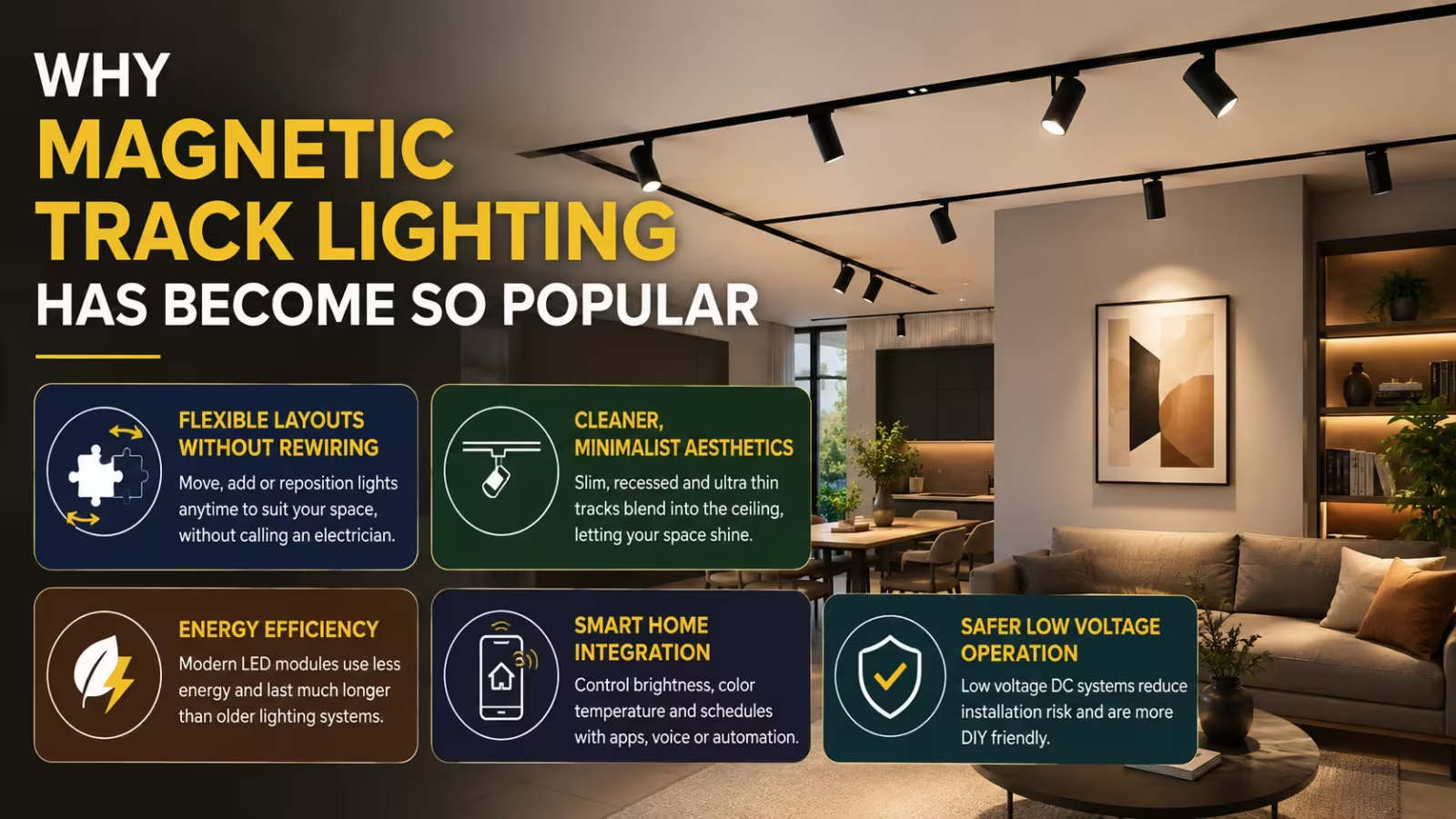
Several factors explain why magnetic track lighting has grown quickly across residential and commercial projects this year.
Flexible Layouts Without Rewiring
Homeowners increasingly want spaces that can be reconfigured as their needs change. With magnetic track lighting, a spotlight aimed at a bookshelf today can be redirected to highlight artwork next month, all without calling in an electrician. This adaptability suits open plan homes, rental properties and rooms that serve more than one purpose.
Cleaner, Minimalist Aesthetics
Recessed and ultra thin magnetic track lighting has become one of the strongest design trends this year, with slimmer profiles that sit almost flush with the ceiling. Instead of a bulky fixture dominating the room, the track itself nearly disappears, letting the light do the work. This suits the current preference for understated, non main lighting schemes where illumination is distributed rather than concentrated in one central pendant.
Energy Efficiency
Modern LED modules used in a Magnetic Track Light cut energy consumption significantly compared with older halogen track systems, while lasting considerably longer before needing replacement. For homeowners conscious of running costs, this makes the format an attractive long term investment rather than just a style choice.
Smart Home Integration
Newer magnetic track lighting systems increasingly support app based controls, voice assistants and standard smart home protocols. This allows dimming, colour temperature adjustment and scheduling from a phone, and in higher end installations, tunable white modules that shift from cooler daylight tones in the morning to warmer light in the evening.
Safer Low Voltage Operation
Many current magnetic track lighting products run on low voltage direct current rather than mains voltage, which reduces installation risk and makes the systems more forgiving for anyone attempting a DIY setup, though a qualified electrician should still handle the initial power connection.
Where to Use a Magnetic Track Light at Home
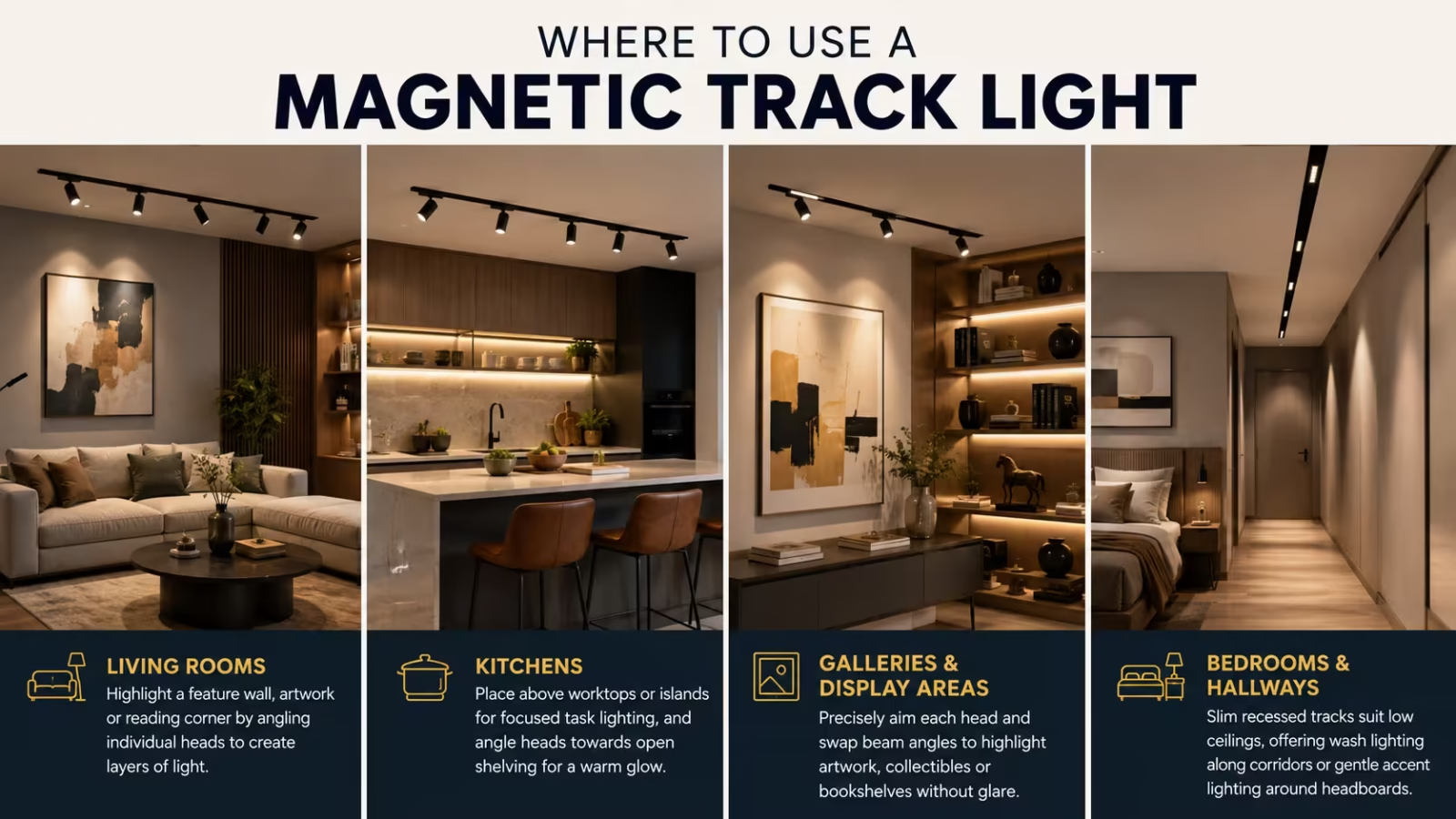
- Living rooms: A Magnetic Track Light works well above a seating area, where individual heads can be angled to highlight a feature wall, a piece of art or a reading corner, creating layers of light rather than one flat wash from a central bulb.
- Kitchens: Positioned above a worktop or island, magnetic track lighting delivers focused task lighting exactly where food preparation happens, while additional heads can be angled towards open shelving for a warmer ambient glow.
- Galleries and display areas: Because each head can be aimed precisely and swapped for a narrower or wider beam, a Magnetic Track Light is well suited to highlighting artwork, collectibles or a home office bookshelf without flooding the whole room with light.
- Bedrooms and hallways: A slim recessed Magnetic Track Light suits low ceilings, offering wash lighting along a corridor or gentle accent lighting around a headboard wall without the bulk of a pendant fixture.
Read More: False Ceiling Lighting Desings
How to Choose the Right Magnetic Track Light System
- Start with the track type: Decide between surface mounted, recessed or suspended tracks depending on your ceiling height and finish. Recessed magnetic track lighting suits false ceilings and gives the cleanest look, while surface mounted tracks are easier to retrofit into an existing home.
- Check the voltage and power capacity: Confirm how many watts the track can carry and how many light heads you plan to run on it. Overloading a track shortens the lifespan of both the driver and the LED modules.
- Match the colour temperature to the room: Warmer tones around 2700K to 3000K suit living rooms and bedrooms, while cooler tones closer to 4000K work better in kitchens and workspaces where task visibility matters more than ambience.
- Look at compatibility and standards: If you plan to control the system through a smart home app, check whether the Magnetic Track Light supports common protocols so it integrates with your existing devices rather than requiring a separate proprietary app.
- Consider long term flexibility: Since one of the main reasons people choose this format is the ability to rearrange fixtures later, pick a system with a good range of compatible heads, including spotlights, wall washers and pendant style modules, so the setup can grow with the room.
Cost Considerations
Pricing for track based lighting varies widely depending on the finish, the number of heads and whether the modules support smart controls. Basic surface mounted setups tend to sit at the lower end, while recessed, tunable white or app connected versions cost more upfront. It helps to think in terms of total lifecycle value rather than the initial price alone. Because LED modules last considerably longer than halogen bulbs and consume far less power, the running costs over several years are usually lower, even if the initial outlay feels higher than a basic downlight. Buying a track with slightly more capacity than currently needed also saves money later, since it avoids having to replace the entire rail when an extra head is added.
Maintenance and Longevity of Magnetic Track Light
One advantage of this format that often gets overlooked is how easy it is to maintain. Because each head detaches individually, cleaning dust from the lens or swapping a failed driver does not mean disturbing the rest of the setup. Manufacturers typically rate the driver and LED chips for tens of thousands of hours of use, so with reasonable care a well specified system should outlast several rounds of redecorating. It is still worth checking the warranty terms before buying, since coverage on the track itself and on individual heads can differ, and confirming that replacement modules will remain available for the specific rail profile chosen.
Installation Tips for Magnetic Track Light
- Plan the track position before fixing anything to the ceiling, mapping out where furniture, artwork and work surfaces will sit.
- Leave enough spare track length for future modules rather than sizing the run too tightly.
- Always confirm the maximum load the track supports before adding extra fixtures, and have a qualified electrician handle the mains connection even though the light heads themselves clip on without tools.
- Finally, test the layout with the heads loosely placed before committing to their final position, since even small adjustments in angle can change how a room feels.
Final Words
Magnetic track lighting suits far more than showrooms and offices now. With slimmer profiles, smarter controls and genuinely tool free rearranging, a Magnetic Track Light has become one of the more practical upgrades available for homes that want flexibility without the disruption of rewiring. Whether the goal is highlighting a gallery wall, brightening a kitchen island or simply future proofing a room against changing tastes, this format offers a rare combination of convenience and design flexibility that older fixed systems cannot match.
Thinking of redesigning a room but unsure where to start? Zen Nest Living brings you expert-backed interior design and real estate guides to help you plan smarter spaces, compare lighting and décor options, and make confident home improvement decisions every step of the way.
Frequently Asked Questions
1. Is a Magnetic Track Light difficult to install?
No. Once the track itself is fixed and wired by a qualified electrician, the individual light heads simply clip onto the rail using their built in magnets. Homeowners can add, remove or reposition heads themselves without further electrical work.
2. Does magnetic track lighting use a lot of electricity?
No. Most modules use LED technology, which consumes considerably less power than older halogen track systems while producing comparable or better brightness, making running costs relatively low.
3. Can a Magnetic Track Light be used outdoors?
Standard indoor systems are not suitable for outdoor use. Some manufacturers do produce weather rated versions for covered outdoor areas, but these must be specifically rated for outdoor exposure before installation.
4. How many light heads can I add to one magnetic track lighting system?
This depends on the track’s power capacity and the wattage of each head. Checking the manufacturer’s maximum load rating before adding modules prevents overloading the driver and protects the system’s lifespan.