
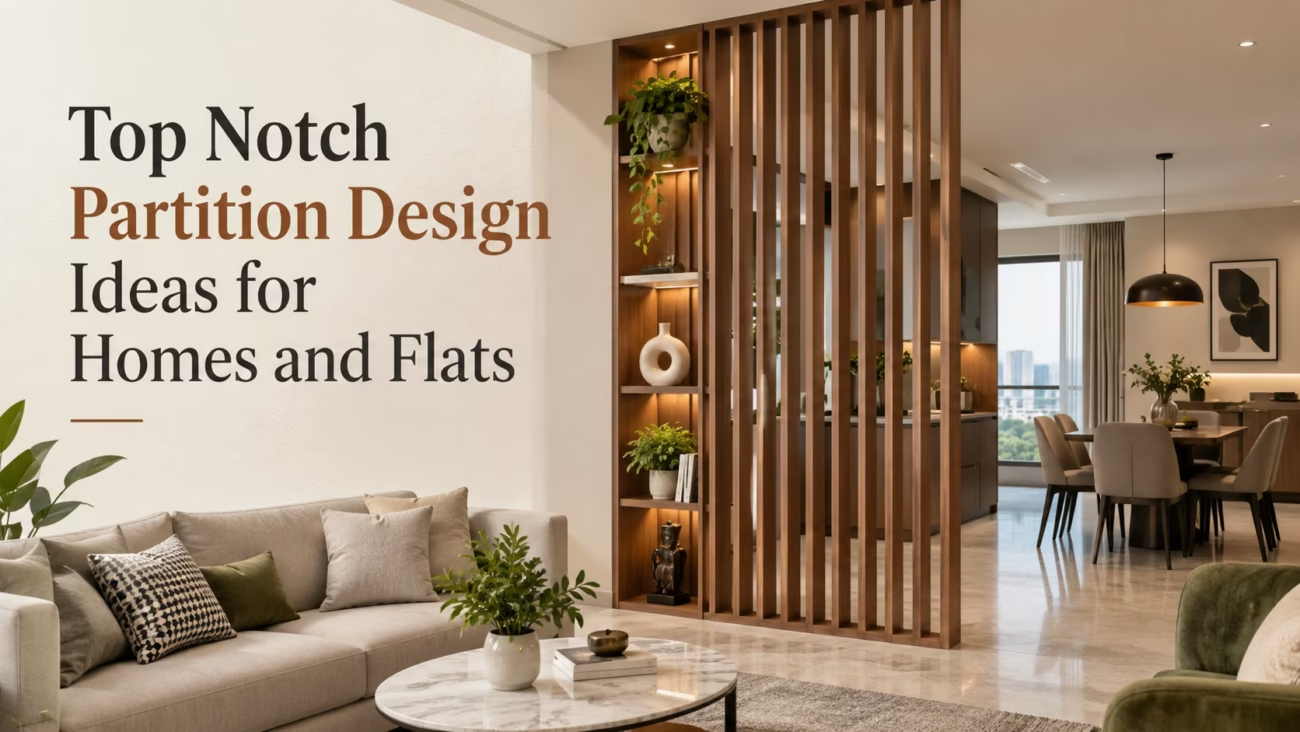
Every home reaches a point where open space stops feeling open. A living room merges into a dining area with no visual break. A studio flat leaves residents craving a bit of privacy. This is exactly where partition design steps in. It divides a space without shutting it down completely, giving homeowners the freedom to define zones while keeping the room airy and connected.
This guide walks through what a room divider actually does. It covers why zoning matters for modern Indian homes, the materials worth considering, and the mistakes to avoid.
What Does Partition Design Mean
Partition design is the division of a room or an open floor plan into functional areas. Homeowners employ walls, screens, panels or furniture rather than a complete brick build. A divider is not a permanent wall and may be solid, semi-open, or fully transparent depending on the material used.
This is a solution that architects and interior designers have adopted to address a prevalent issue in Indian apartments: space constraints that require multifunctional solutions. One hall may serve as a living room, a home office and even a guest bedroom at times. With intelligent zoning, all three options are possible without creating chaos.
Why It Matters in Modern Homes
Today’s homes are smaller than 20 years ago, but the number of activities that occur in the home has increased. Individuals need to work from home, host visitors, and have quiet areas for kids to study. Good space planning takes this change head-on, and here’s how.
- Creates privacy in shared spaces: A screen between a bedroom and a study nook stops light and sound from spilling across the room.
- Improves the visual flow of a home: A poorly divided space feels cramped, while thoughtful partition design creates rhythm and balance across a floor plan.
- Supports flexible living: Movable dividers let residents reconfigure a room as their needs change, from a nursery today to a home gym next year.
- Adds character: A divider is rarely just functional. Textured panels, fluted wood, or glass with metal framing become a design feature in their own right.
- Boosts ventilation when chosen carefully: Slatted or perforated screens let air move between zones, which keeps a divided home from feeling stuffy during warmer months.
Types of Room Dividers to Consider
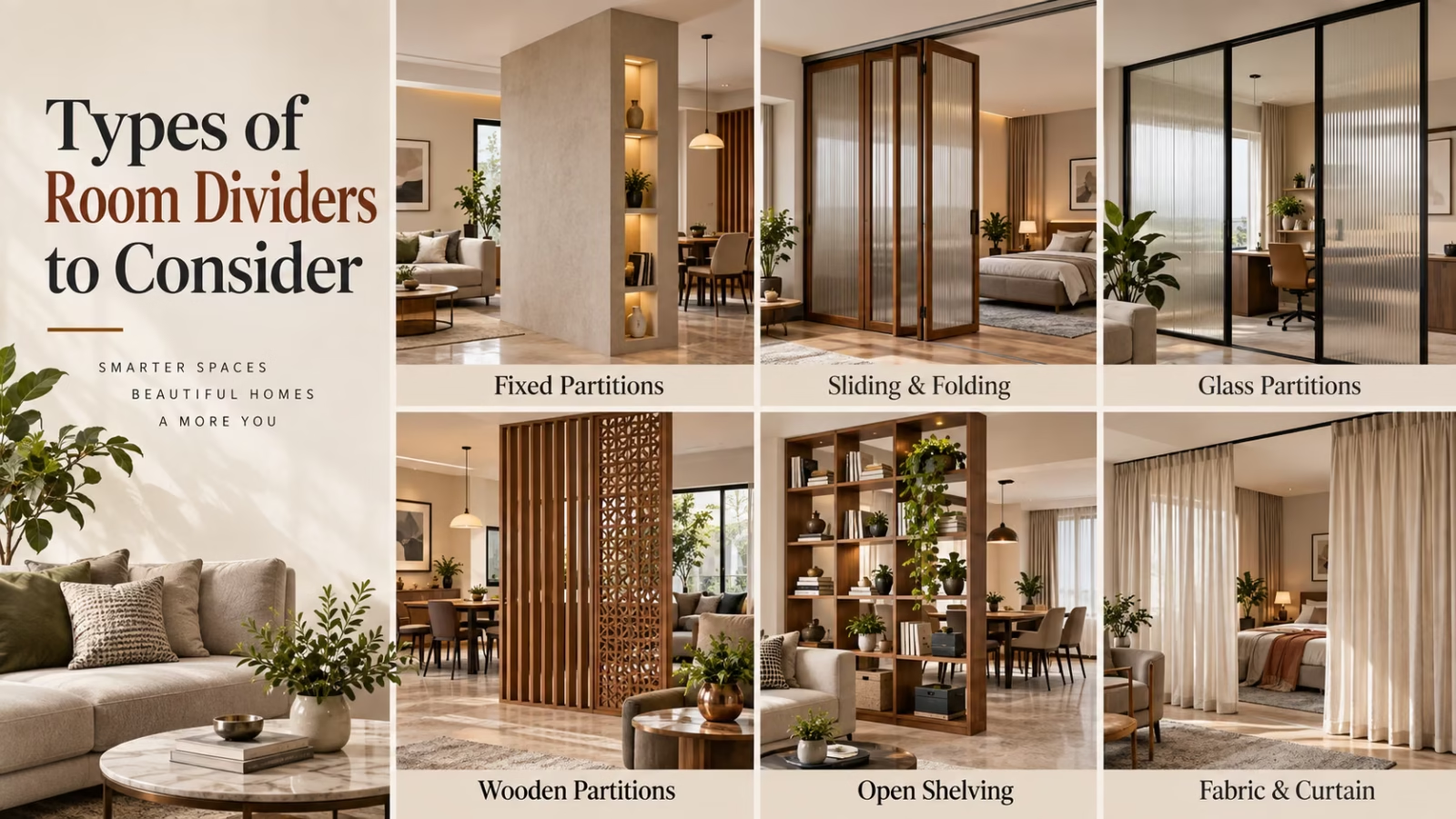
Homeowners rarely realise how many options exist beyond a plain plywood divider. Each style below suits a different budget, purpose, and aesthetic.
Fixed Partitions
Built with gypsum board, brick or plywood, these remain permanently in a space. Fixed dividers are ideal for situations where a room requires a permanent partition, for instance, between a kitchen and a dining room. This type of partition construction provides good sound isolation and can accommodate electrical fittings within the partition cavity.
Sliding and Folding Partitions
Sliding doors or folding screens can open up or close off a room in seconds. This style is ideal for smaller apartments where flexibility is more important than permanence. A sliding wall between living room and balcony allows daylight to flow in while keeping the area closed in during the winter months.
Glass Partitions
Glass partitions are used to bring in natural light and still provide a visual barrier to separate. Frosted, fluted or clear glass panels in metal or wood frames create a modern appearance. This option is great for home offices where sound is more important than sight.
Wooden Partitions
Wood is still a popular choice as it combines warmth with structure. Slatted wood screens, jaali-style panels and panelled dividers are all included in this category. This partition design goes well with Indian interior decor, which already has a preference for wooden colours in flooring and furniture.
Open Shelving and Storage Units
One of the most functional zoning ideas is a bookshelf or a storage unit that can serve as a room divider. It provides a partition and storage space, which is useful in small houses where space must be used to its full potential.
Fabric and Curtain Dividers
Curtains on a ceiling track are the softest and least expensive divider. They’re ideal for rental homes where permanent changes can’t be made, and they can be retracted entirely when the entire room is required.
Read More: Charcoal Louvers Design Ideas
Materials Commonly Used
The material chosen shapes both the look and the function of a divider.
- Gypsum board is lightweight and quick to install, making it popular for fixed partition design in apartments.
- Plywood and MDF offer more customisation, since they can be carved, painted, or laminated in various finishes.
- Glass, particularly toughened or frosted variants, suits homes wanting light without full visibility.
- Metal framing, often paired with glass or wood, adds an industrial edge that works well in contemporary flats.
- Fabric, cane, and rattan bring texture and warmth, and suit homes leaning towards a relaxed, organic style.
Vastu Considerations
Many Indian homeowners factor Vastu Shastra principles into their partition design choices.
- A divider should never block the main entrance or cut across the centre of the home. This zone, known as the Brahmasthan, is meant to stay open.
- Screens placed in the north or east are generally considered favourable, as these directions benefit from open, light filled spaces.
- Heavy, solid dividers are best placed in the south or west, where stability is preferred over openness.
- Consulting a Vastu expert alongside an interior designer helps balance tradition with practical planning.
How to Choose the Right Option for Your Home
Selecting the right approach depends on a few practical factors rather than trend alone.
- Start with purpose: Decide whether the divider needs to block sound, create privacy, or simply mark a visual boundary.
- Measure the available light: Rooms with limited natural light benefit from glass or open dividers rather than solid walls that block daylight further.
- Match the existing decor: A divider should feel like an extension of the room, not an afterthought. Wood suits warm, traditional interiors, while metal and glass fit sleek, modern spaces.
- Consider maintenance: Fabric dividers need regular washing, while glass needs cleaning to avoid smudges. Wood and gypsum require the least day to day upkeep.
- Think about resale value: Fixed partition design involving structural changes may need to be reversed before selling a property, so movable options often suit renters or short term owners better.
- Factor in budget realistically: Fabric and curtain dividers cost the least, gypsum and plywood sit in the middle range, and glass with metal framing usually commands the highest price.
Common Mistakes to Avoid
Many homeowners rush into partition design without considering the room holistically. Watch out for these frequent errors.
- Overcrowding a small space with a bulky divider, which makes it feel smaller rather than more organised.
- Choosing a screen that blocks the only source of natural light, particularly in compact flats.
- Ignoring proportion. A divider that is too tall for a low ceiling boxes the room in, while one that is too short fails to serve its purpose.
- Overlooking ventilation, since a solid partition without gaps can trap heat and reduce airflow across a room.
The Future of This Approach in Indian Homes
With the constant decrease in house sizes in Indian cities, the relevance of partition design will only continue to increase. New projects are already being built with flexible layouts, which the builders are expecting buyers to want. Smart dividers which fold away automatically or are sensitive to sound levels are starting to be seen in high quality developments. As consumers become more aware of their impact on the environment, sustainable materials such as reclaimed wood and recycled metal are also making the rounds. Tool-less modular dividers are also becoming popular as they cater to the needs of tenants who move homes frequently and yet still desire a personalised layout.
Final Thoughts
The partition design is no longer a decorative afterthought. It is a functional item that influences the way a home functions on a daily basis. It can be for privacy, storage, improved lighting, or simply to make a room appear less cluttered. The right divider can be used to change a space without the expense of complete construction. By thinking about material, placement and purpose, the final product will last the home for years, rather than just the trend cycle.
Looking to plan your dream space with expert design guidance? Visit Zen Nest Living for practical home decor tips, Vastu insights, and real estate advice that help you create a home that truly reflects your lifestyle and comfort.
FAQs
What is the most affordable partition design option?
Fabric or curtain dividers remain the most budget friendly choice, since they require no structural work and can be installed within a day.
Does a room divider reduce natural light in a space?
It depends on the material. Solid partitions can block light, while glass or open shelving dividers allow light to pass through while still creating a visual boundary.
Can partition design be removed later without damage?
Movable options such as sliding screens, curtains, and furniture based dividers can be removed easily. Fixed partitions built from brick or gypsum require more effort to reverse.
Is a room divider suitable for rented homes?
Yes. Curtain partitions, freestanding screens, and furniture arrangements work well in rentals since they avoid permanent structural changes and can move with the tenant.
