
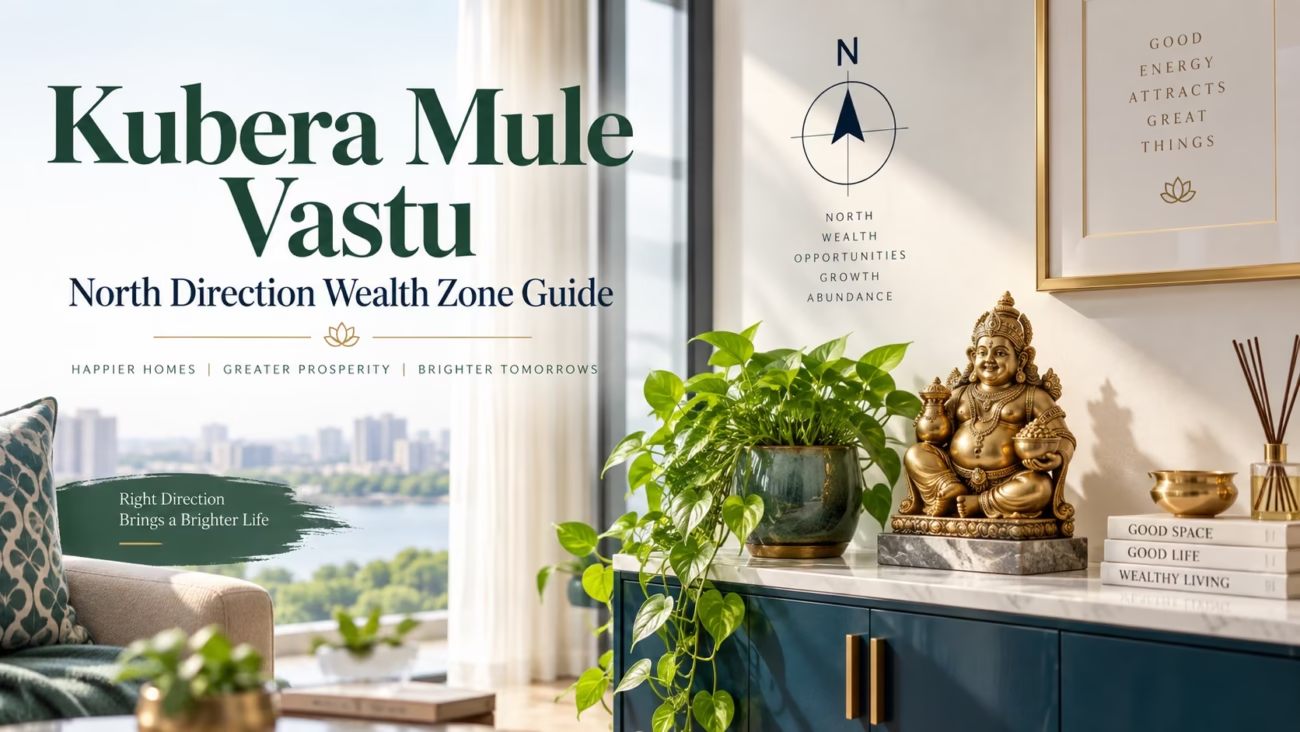
Every home carries hidden zones of energy, and Hindu tradition places one of the most important ones under the care of Lord Kubera, the treasurer of the gods. This zone, known as Kubera Mule, sits at the heart of many Vastu Shastra discussions about money, savings, and financial security. Homeowners across India still consult this ancient guidance before designing a living room, placing furniture, or choosing where to keep valuables.
In this detailed guide, we have describe everything related to Kubera Mule, its definition, why the Kubera Mule direction matters, and how you can align your home with these principles without undertaking a full renovation.
What Does Kubera Mule Mean?
In Sanskrit, “Mule” translates to root or source. Kubera Mule therefore refers to the root zone of wealth energy within a home, governed by Lord Kubera himself. Hindu mythology positions Kubera as the guardian of treasure and the keeper of riches belonging to the gods.
Many Vastu practitioners also use the term Kubera Moolai, a regional variation of the same concept found commonly in South Indian households. Whether you call it Kubera Mule or Kubera Moolai, the underlying idea stays consistent: a specific corner of the home holds the potential to attract and protect financial abundance.
Understanding the Kubera Mule Direction
Vastu Shastra assigns each direction of a building to a ruling deity. The Kubera Mule direction points towards the north, with several practitioners extending this influence into the north-east as well. Mercury, the planet associated with commerce and financial intelligence, also rules this direction, reinforcing its connection to money matters.
Ancient texts describe Kubera as residing in the northern regions, watching over wealth that flows through disciplined effort rather than sudden windfalls. This is why Vastu experts often describe the Kubera Mule direction as a symbol of steady, secured financial growth instead of quick riches.
How to Locate the Kubera Mule Zone in Your Home
Finding this zone does not require professional intervention. Follow these simple steps:
- Stand at the exact centre of your house or plot.
- Use a compass to identify true north.
- Mark the northern section of the home as your Kubera Mule zone.
- Extend your attention slightly towards the north-east corner if space allows.
Once identified, this area deserves consistent care, since Vastu treats it as sensitive to clutter, dampness, and neglect.
Why Kubera Mule in Vastu Matters So Much
Financial stress affects most households at some point, and Vastu offers a symbolic framework for addressing it through spatial harmony. Kubera Mule in Vastu holds particular weight because it connects directly to income, savings, and long-term security rather than short-lived luck.
Practitioners believe that a blocked or cluttered north zone restricts the natural flow of prosperity into a household. Conversely, a clean, well-lit, and thoughtfully arranged Kubera Mule zone allows this energy to circulate freely. Families struggling to save money despite steady income often turn to this corner of Vastu wisdom before making any other changes.
The significance of Kubera Mule in Vastu also extends to workplaces and commercial properties. Business owners frequently position cash counters, safes, or accounts departments along the northern wall to align with these principles.
What to Place in the Kubera Mule Zone

Certain objects are believed to strengthen the wealth energy associated with Kubera Mule. Consider adding the following:
- A small water feature. Water represents the element linked to the north, so a compact fountain or clean aquarium works well here.
- A money plant. This popular indoor plant symbolises continuous growth and is widely placed in this zone.
- A Kubera idol or image. A small statue or picture invites the deity’s presence into the space.
- A piggy bank or safe. Physical representations of savings reinforce the intention behind the zone.
- Fresh, healthy greenery. Living plants signal vitality rather than stagnation.
Keep every item in this zone clean and functional. A dusty idol or a dying plant works against the very purpose it serves.
Read More: Bathroom direction as per vastu
What to Avoid in This Corner
Just as certain additions strengthen Kubera Mule, other choices weaken it. Avoid the following in the north or north-east section of your home:
- Heavy, dark-coloured furniture that blocks natural energy flow
- Storage rooms filled with unused or broken items
- Bathrooms, toilets, or waste disposal units
- Leaking taps or stagnant water, which symbolise financial loss
- Dim lighting or permanently shaded corners
Correcting even one of these issues can shift the perceived balance of the zone significantly.
Best Colours for the Kubera Mule Direction
Colour plays a meaningful role in Vastu, and the Kubera Mule direction responds best to shades that reflect openness and clarity. Suitable choices include:
- Green, representing growth and new opportunities
- Blue, aligning with the water element tied to the north
- White or cream, promoting a sense of clarity and calm
Heavy earth tones, deep reds, and dark oranges are best avoided here, as Vastu considers them contrary to Kubera’s energy.
Practical Tips for Everyday Homes
Not every household can dedicate an entire room to this purpose, and that remains perfectly fine. Small, deliberate adjustments still create meaningful shifts:
- Keep the northern wall free from heavy wall hangings or mirrors that reflect light awkwardly.
- Position your home office or study table facing north if financial focus matters to you.
- Repair any leaking pipes near this zone immediately.
- Light a lamp or keep this area brighter than the rest of the home during evenings.
These changes require minimal cost yet align comfortably with traditional Kubera Mule guidance.
Common Misunderstandings About Kubera Mule
Several myths surround this concept, and clearing them up helps set realistic expectations. Kubera Mule does not guarantee overnight wealth, nor does it replace sound financial planning. Vastu Shastra presents it as a supportive practice that works alongside disciplined saving, sensible investing, and stable income, not as a substitute for them. Treating this zone with respect reflects a mindset of order and intention rather than a shortcut to riches.
Bringing It All Together
Kubera Mule represents far more than a corner marked on a compass. It embodies a long-standing belief that spatial harmony supports financial harmony. By identifying the Kubera Mule direction correctly, keeping the zone clutter-free, choosing supportive colours, and placing meaningful objects with care, households across generations have tried to invite steady prosperity into their lives.
Whether referred to as Kubera Mule or Kubera Moolai, this practice continues to hold cultural and symbolic relevance for families who value both tradition and thoughtful home design.
Planning to design a home that balances tradition with modern comfort? Explore expert property guides, interior tips, and Vastu-friendly living inspiration on Zen Nest Living, and turn every corner of your house into a space that feels both harmonious and welcoming.
Frequently Asked Questions
1. What is the meaning of Kubera Mule in Vastu Shastra?
Kubera Mule refers to the wealth zone of a home, governed by Lord Kubera, the Hindu god of treasure. It represents the root source of financial energy within a living space.
2. Which direction does Kubera Mule belong to?
The Kubera Mule direction is primarily the north, with several Vastu experts extending its influence towards the north-east corner of a property as well.
3. Is Kubera Moolai different from Kubera Mule?
No, Kubera Moolai is simply a regional term used interchangeably with Kubera Mule. Both describe the same wealth-related zone within Vastu tradition.
4. Can renters or apartment owners apply Kubera Mule principles?
Yes, anyone can apply these principles regardless of ownership. Simple steps such as decluttering the north corner, adding a money plant, and improving lighting work well in rented spaces too.
