
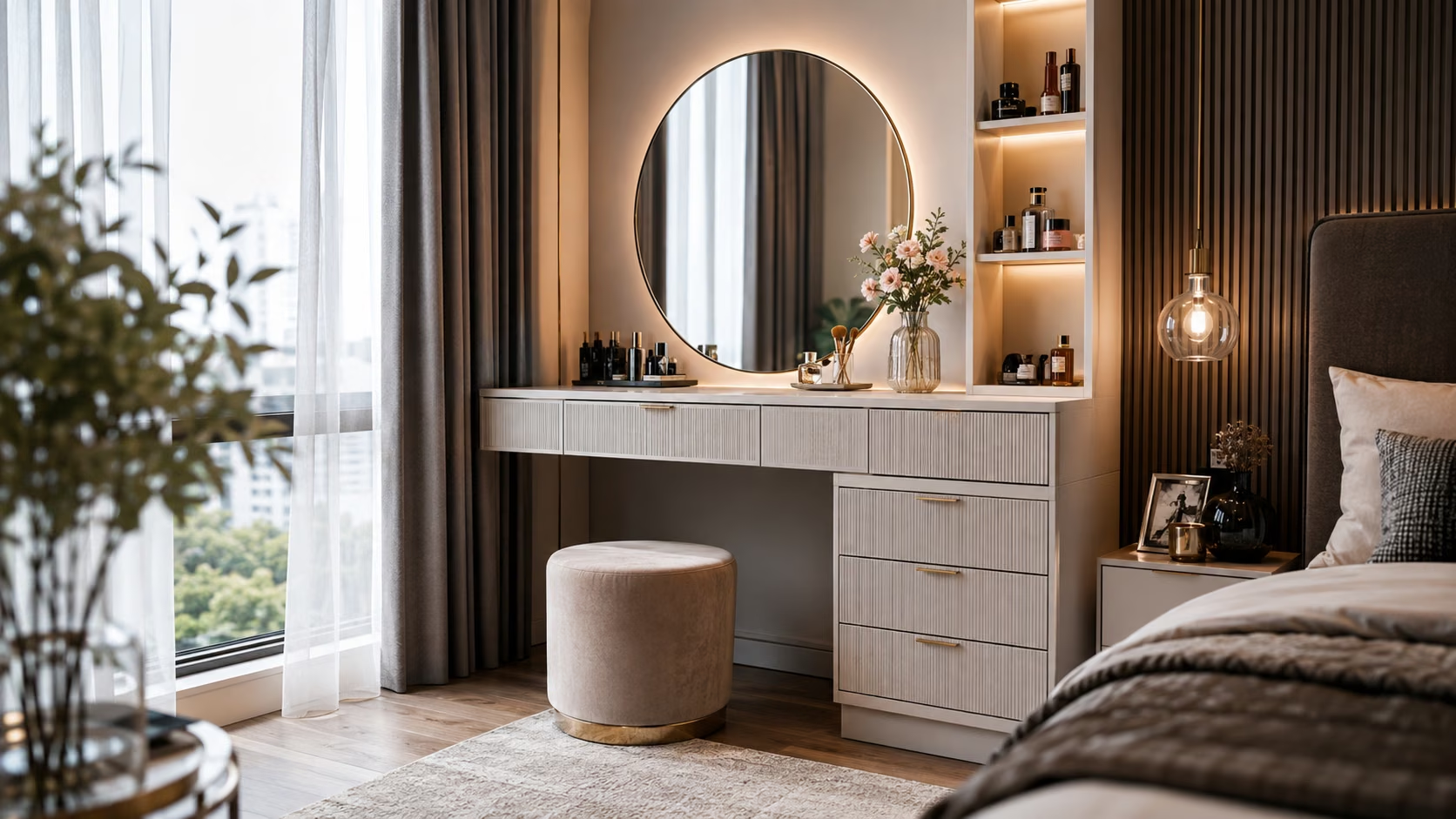
A well-planned dressing table does more than hold a mirror and a few bottles of perfume. It shapes how a bedroom feels every single morning. Good Dressing Table Design brings together function, style and comfort, turning a simple corner into a personal retreat. Whether you own a sprawling master suite or a compact city flat, thoughtful Dressing Table Design can make the space feel intentional rather than accidental.
We have created this guide so that you can get the practical ideas, understanding of materials, layouts and current trends. This guide will surely help you to make informed decision to get the best dressing table for your bedroom.
Why Dressing Table Design Matters
A dressing table is not just furniture. It is a daily ritual space where people prepare for the day ahead. Poor planning leads to cramped surfaces, bad lighting and clutter that builds up within weeks. Strong design solves these problems before they start. It considers the height of the mirror, the reach to storage drawers, the placement near natural light and the overall flow of the room.
Homeowners who invest time in planning this piece often find their whole bedroom feels more organised. A dressing table anchors the room, giving every other item a sense of purpose around it.
Understanding Space and Layout First
Layout planning forms the foundation of every good Dressing Table Design. Before choosing a style, measure the available space carefully. A dressing table needs enough room for a chair or stool to be pulled out comfortably, along with clearance to walk around it. In smaller bedrooms, a slim console style with a fold out or wall mounted mirror works better than a bulky traditional unit.
Consider the walking path in the room. The table should never block a wardrobe door or a window. Placing it against a wall that receives soft morning light usually gives the best results for makeup application and skincare routines.
Popular Styles Worth Considering
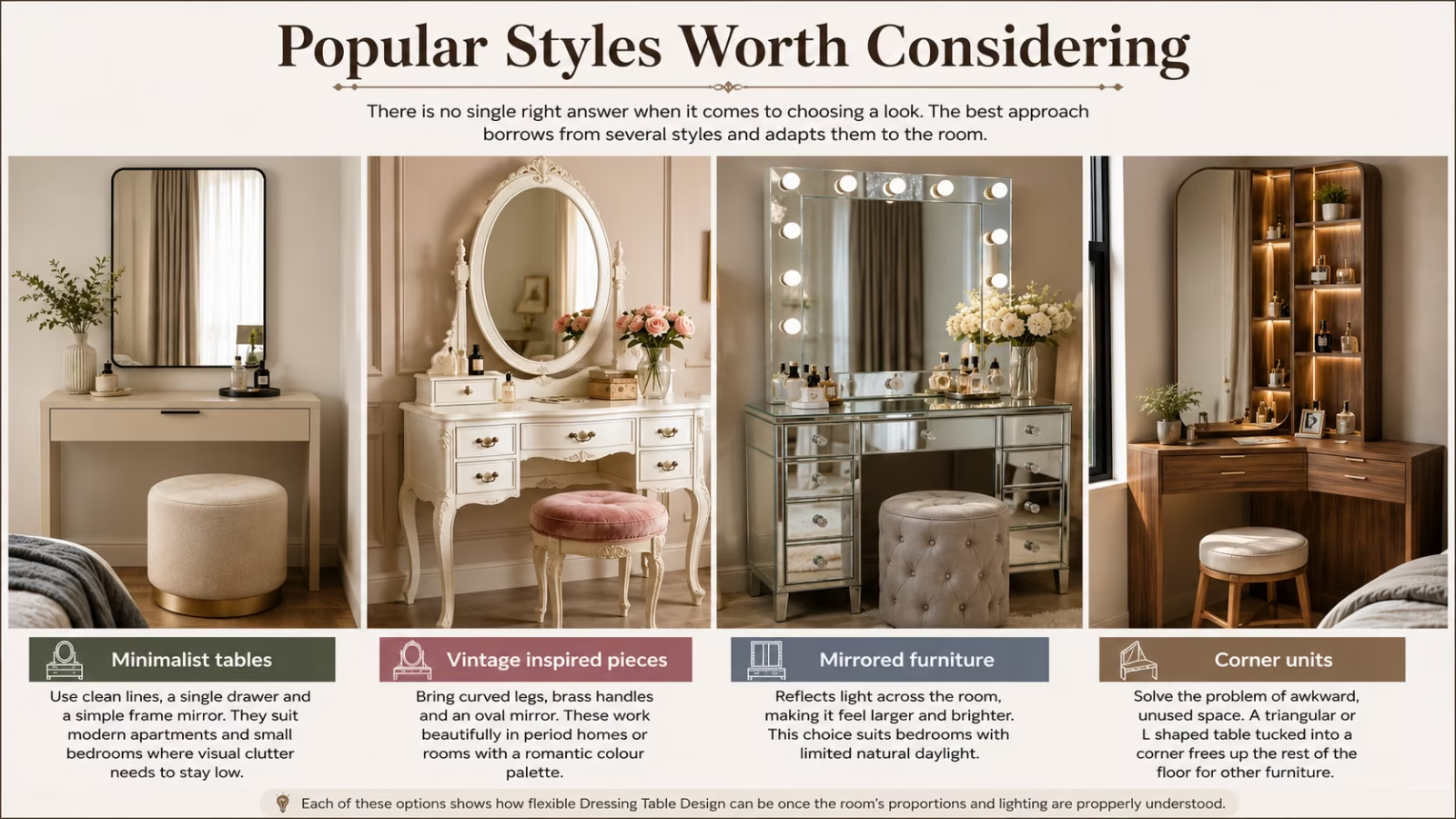
There is no single right answer when it comes to choosing a look. The best approach borrows from several styles and adapts them to the room.
- Minimalist tables use clean lines, a single drawer and a simple frame mirror. They suit modern apartments and small bedrooms where visual clutter needs to stay low.
- Vintage inspired pieces bring curved legs, brass handles and an oval mirror. These work beautifully in period homes or rooms with a romantic colour palette.
- Mirrored furniture reflects light across the room, making it feel larger and brighter. This choice suits bedrooms with limited natural daylight.
- Corner units solve the problem of awkward, unused space. A triangular or L shaped table tucked into a corner frees up the rest of the floor for other furniture.
Each of these options shows how flexible Dressing Table Design can be once the room’s proportions and lighting are properly understood.
Choosing the Right Materials and Finishes
Material choice sits at the heart of any lasting Dressing Table Design, since it affects both durability and appearance. Solid wood offers longevity and can be refinished over the years, making it a sound long term investment. Engineered wood with a veneer finish gives a similar look at a lower cost, though it may not withstand decades of heavy use.
Metal frames paired with glass tops suit contemporary interiors and are easy to wipe clean. Rattan and cane detailing has become popular again, adding texture without overwhelming a room that already has strong colours or patterns elsewhere.
Finish matters as much as material. A matte lacquer resists fingerprints and daily wear, while a high gloss surface reflects light and suits brighter, more glamorous bedrooms.
Lighting Considerations for Everyday Use
Lighting is one of the most overlooked parts of planning a Dressing Table Design. Overhead lighting alone often casts shadows across the face, making makeup application difficult. Side lamps positioned at eye level, or a mirror fitted with LED strips, give a more even and flattering light.
Natural daylight remains the gold standard for accurate colour matching, so positioning the table near a window, without direct glare on the mirror, is always worth the effort. For evening use, warm white bulbs rated around 2700 to 3000 Kelvin tend to feel more comfortable than cooler, bluish tones.
Storage Solutions That Actually Work
Storage separates a truly functional Dressing Table Design from one that quickly becomes cluttered. Drawers with dividers keep jewellery, brushes and skincare products organised rather than jumbled together. Open shelving beneath the table works well for baskets or trays holding items used daily.
For those with large collections of makeup or accessories, a table with a fold up mirror lid that reveals hidden compartments offers a tidy solution when the piece is not in use. Wall mounted shelves above the table can also extend storage without adding extra floor footprint, which is especially useful in smaller rooms.
Colour Palette and Mirror Choices
Colour choice is another pillar of good Dressing Table Design, and the table should complement the existing bedroom scheme rather than compete with it. Neutral tones such as white, oak or soft grey blend easily into most rooms and rarely date. Bolder colours like deep green, navy or blush pink can act as a statement piece if the rest of the room stays relatively simple.
Mirror shape also plays a role in the overall feel. Round mirrors soften a room with many straight lines, while rectangular mirrors suit more structured, formal interiors. Some homeowners now choose tri fold mirrors, which allow a full view from multiple angles and add a slightly luxurious touch to the setup.
Read more: Wall Panel Design Ideas
Ideas for Small Bedrooms
Space constraints do not need to limit good Dressing Table Design. Wall mounted floating desks with an attached mirror save significant floor space while still offering a functional surface. Fold down tables that tuck flat against the wall when not in use suit box rooms or shared bedrooms.
A slim console with a single drawer, paired with a large freestanding mirror leant against the wall, also creates the impression of a proper vanity area without the bulk of a full unit. Choosing lighter colours and glass or acrylic materials keeps these smaller pieces from feeling heavy in a tight room.
Placement Tips for Better Everyday Function
Position the table so the chair does not block a doorway or wardrobe when pulled out. Avoid placing the mirror directly opposite the bed if it reflects the sleeping area, as many people find this unsettling from a Feng Shui perspective and simply prefer a calmer view.
Keep frequently used items, such as a hairdryer or daily skincare products, within easy reach rather than stored in a bottom drawer. A small tray or catch all dish on the surface reduces daily clutter and keeps the space looking tidy without constant tidying.
Current Trends Shaping Modern Interiors
Sustainable materials continue to gain ground, with reclaimed wood and low emission finishes becoming a priority for many buyers. Multi functional furniture is also on the rise, with tables that convert into a desk or fold away entirely to suit flexible living spaces.
Smart mirrors with built in lighting controls and even Bluetooth speakers are appearing more frequently in higher end homes. Curved silhouettes and organic shapes have replaced some of the sharper, more angular styles that dominated the past decade, giving rooms a softer and more welcoming feel.
Bringing It All Together
Careful planning turns a simple piece of furniture into a functional and beautiful part of daily life. From measuring the available space to choosing the right materials, lighting and storage, every decision shapes how well the finished result serves its purpose. Good Dressing Table Design balances practicality with personal style, ensuring the space works as hard as it looks good.
Taking time to consider layout, natural light and storage needs before buying or building pays off for years to come. A well chosen table becomes more than furniture. It becomes a small daily ritual that sets the tone for the rest of the day.
Ready to bring your dream bedroom to life? Zen Nest Living helps homeowners plan, design and style spaces that feel personal and functional. Get in touch with our team today for tailored advice, inspiration and practical support for your next home project.
Frequently Asked Questions
What is the ideal height for a dressing table?
Most dressing tables sit between 75 and 80 centimetres tall, which allows a comfortable seated position with the mirror at eye level. Adjust slightly based on the height of the chair or stool being used alongside it.
How much space should be left in front of the table?
Leave at least 90 centimetres of clear floor space in front of the table so a chair can be pulled out fully and someone can walk past comfortably without knocking into it.
Can a dressing table work in a very small bedroom?
Yes. Wall mounted or fold down options are a strong choice for tight spaces, since good Dressing Table Design can adapt to almost any footprint through slim profiles and multi purpose storage.
What lighting works best around the mirror?
Warm white LED strips fitted directly around the mirror frame, combined with nearby natural daylight, give the most accurate and flattering light for everyday grooming and makeup application.
