
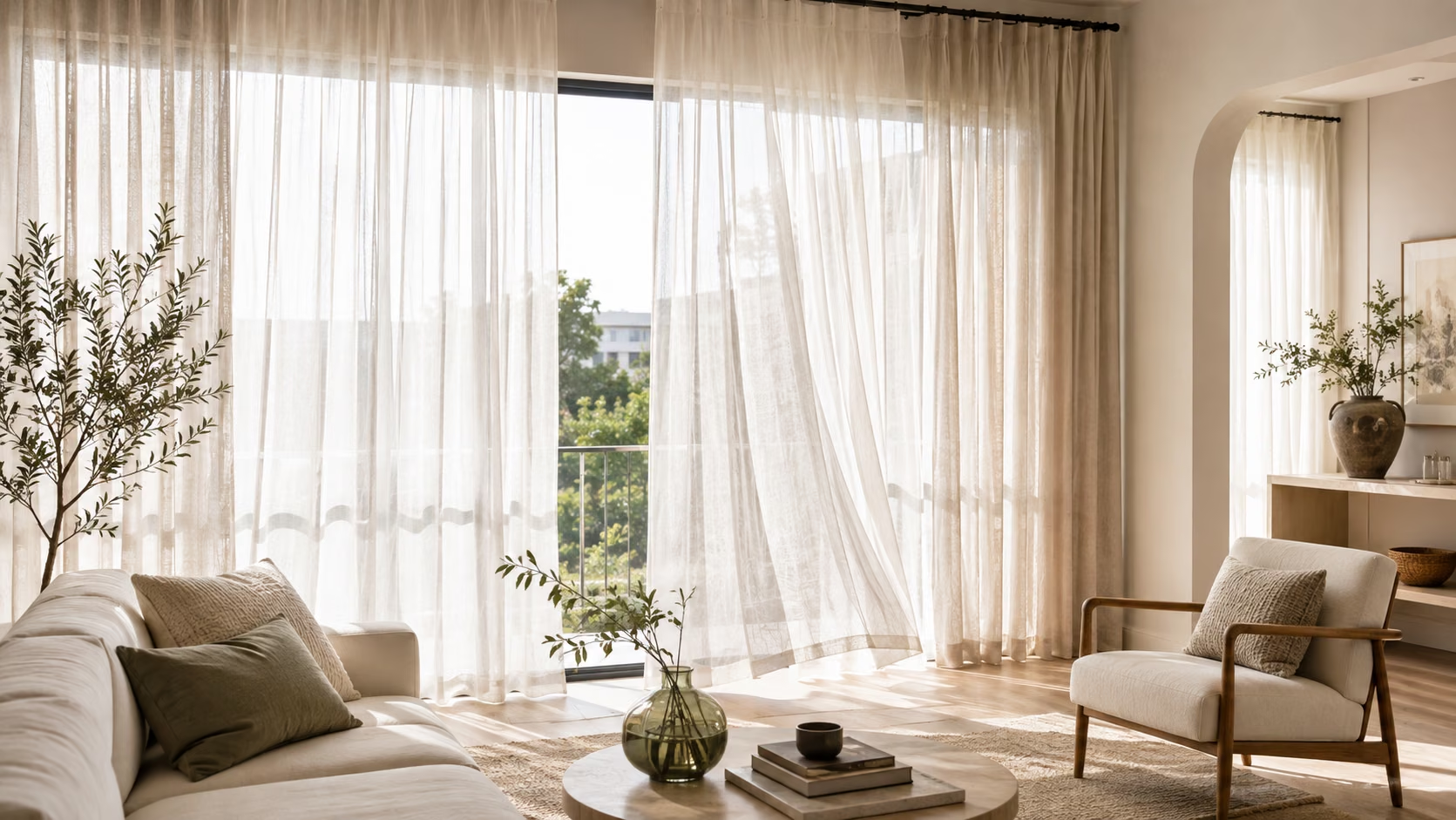
Sunlight filtering through soft, flowing fabric creates an atmosphere that heavier drapes simply cannot match. Homeowners across the country are turning towards sheer curtains design as a way to bring elegance, warmth and gentle light into their living spaces. Whether you live in a compact flat or a spacious family home, the right window dressing can transform a plain window into a striking focal point.
This guide explores practical sheer curtains design ideas, explains how to choose the right fabric and colour, and offers guidance on pairing sheers with other window treatments. By the end, you will have a clear understanding of how to bring this timeless style into your own home.
Why Choose Sheer Curtains for Your Home
Sheer curtains have remained popular for decades because they solve a common problem: how to let natural light in without sacrificing privacy or style. Unlike blackout curtains, sheers allow daylight to filter softly through the room, reducing the need for artificial lighting during the day.
Well planned sheer curtains also help a room feel larger. The lightweight fabric does not block sightlines the way thick drapes do, so ceilings appear higher and windows seem wider. This makes sheers particularly useful in smaller apartments or rooms with limited natural light.
Beyond aesthetics, sheer fabrics offer practical benefits too. They are generally easier to wash, dry quickly, and do not trap as much dust as heavier textiles. For households with allergies, this can make a noticeable difference to indoor air quality.
Popular Sheer Curtains Design Ideas for Different Rooms
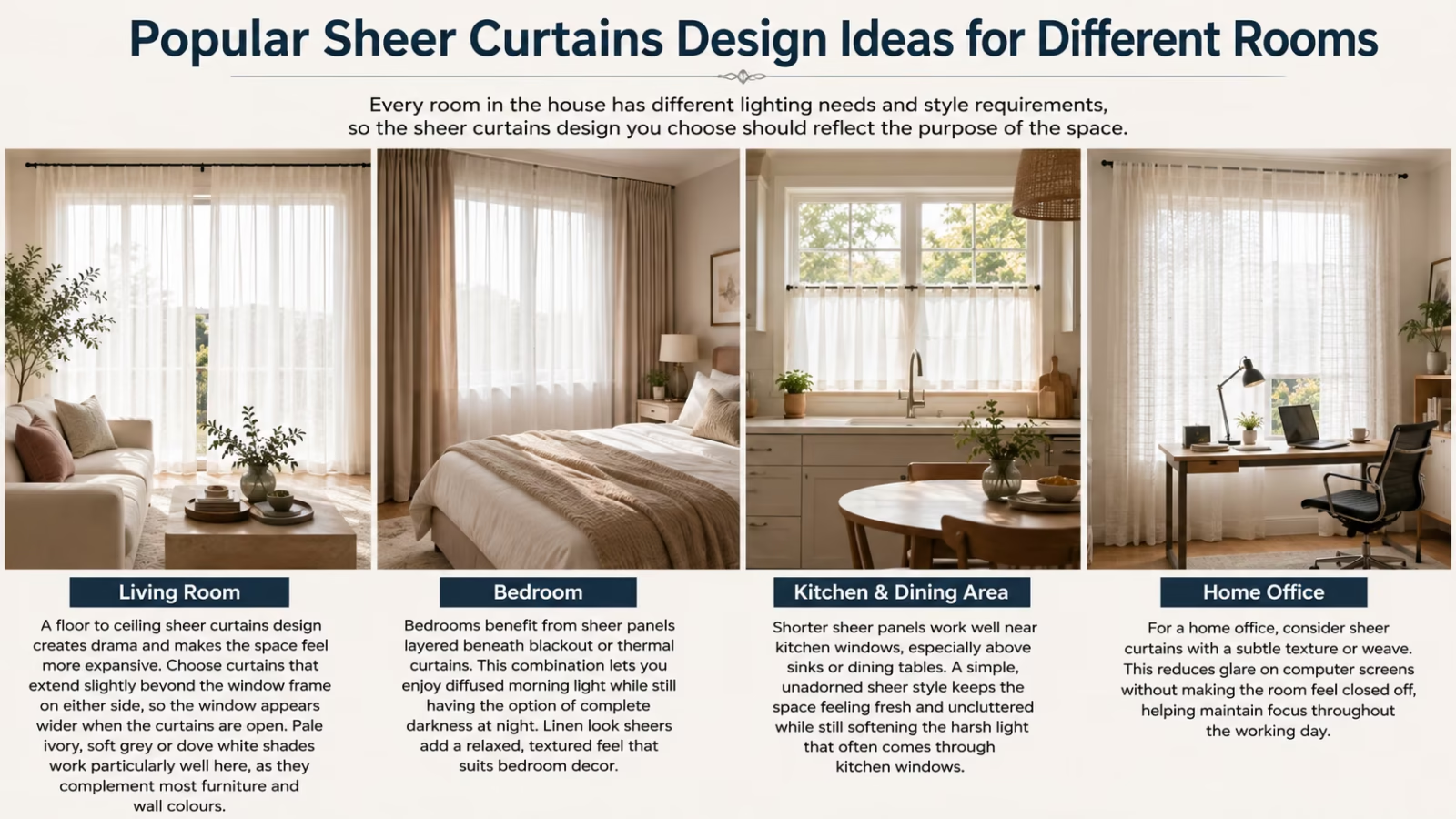
Every room in the house has different lighting needs and style requirements, so the sheer curtains design you choose should reflect the purpose of the space.
Living Room
In the living room, a floor to ceiling sheer curtains design creates drama and makes the space feel more expansive. Choose curtains that extend slightly beyond the window frame on either side, so the window appears wider when the curtains are open. Pale ivory, soft grey or dove white shades work particularly well here, as they complement most furniture and wall colours.
Bedroom
Bedrooms benefit from sheer panels layered beneath blackout or thermal curtains. This combination lets you enjoy diffused morning light while still having the option of complete darkness at night. Linen look sheers add a relaxed, textured feel that suits bedroom decor.
Kitchen and Dining Area
Shorter sheer panels work well near kitchen windows, especially above sinks or dining tables. A simple, unadorned sheer style keeps the space feeling fresh and uncluttered while still softening the harsh light that often comes through kitchen windows.
Home Office
For a home office, consider sheer curtains with a subtle texture or weave. This reduces glare on computer screens without making the room feel closed off, helping maintain focus throughout the working day.
Layering Sheers with Heavier Drapes
One of the most effective techniques in interior styling is layering. Pairing a sheer curtains design with heavier drapes or blinds gives you flexibility throughout the day. In the morning, you can draw back the heavier layer and let the sheers filter the light. In the evening, closing both layers provides privacy and insulation.
When layering, install a double curtain rod or a track system with two channels. This allows the sheer panel to sit closer to the window while the heavier drape hangs in front. Choosing complementary colours, rather than matching them exactly, adds depth and visual interest to the window treatment.
Choosing Fabric and Colour
The fabric you select has a major impact on how a sheer curtains design performs and looks. Common options include voile, organza, chiffon and linen blends. Voile is lightweight and drapes beautifully, making it a popular choice for most homes. Organza has a slightly crisper finish and reflects light in an appealing way, while linen blends bring a more relaxed, natural texture to the room.
Colour choice also matters. Neutral tones such as white, cream and soft grey remain the most versatile options, as they suit almost any interior style and allow other elements in the room to stand out. For those wanting a bolder statement, pale blush, sage green or muted blue sheers can introduce a gentle wash of colour without overwhelming the space.
Consider the direction your windows face when selecting fabric weight. South facing rooms that receive strong sunlight may benefit from a slightly thicker weave to reduce glare, while north facing rooms can make the most of lighter, more translucent fabrics.
Sheer Curtains Design Trends for 2026
Interior trends continue to evolve, and window dressings are no exception. Textured weaves, such as waffle or crinkle finishes, are becoming increasingly popular as homeowners look for ways to add subtle character without introducing pattern. Natural fibre blends, including cotton voile and linen sheers, are also gaining favour among those seeking a more sustainable and organic look.
Another growing trend is the use of ombre or dip dyed sheers, where the fabric gradually shifts from light to darker tones. This creates a soft gradient effect that works particularly well in living rooms and bedrooms with tall windows. Wave heading styles, which create smooth, consistent folds along the top of the curtain, are also replacing traditional pencil pleats in many modern homes.
Smart home integration is influencing curtain choices as well. Motorised tracks compatible with sheer fabrics allow homeowners to open and close their curtains remotely or on a schedule, combining convenience with style.
Practical Tips for Choosing the Right Sheer Curtains Design
Selecting the ideal sheer style for your home involves more than picking a fabric you like. Consider the following points before making a purchase.
Measure your windows accurately, including the width and drop, before ordering curtains. A sheer curtains design that is too narrow will look sparse when drawn, while one that is too long will pool awkwardly on the floor unless a deliberate puddle effect is intended.
Think about the heading style. Eyelet headings suit a modern, minimalist look, while pencil pleats or pinch pleats offer a more traditional appearance. Wave headings, as mentioned earlier, provide a contemporary, tailored finish.
Factor in maintenance requirements. Sheer fabrics generally need gentle washing cycles and should be ironed on a low heat setting. Always check the care label before cleaning, as some blends require dry cleaning to maintain their shape and finish.
Finally, consider how the curtains will look both day and night. A pale sheer curtains design might look beautiful during daylight hours but appear almost invisible at night, so pairing with a secondary layer is often worthwhile for evening privacy.
Read More: Dressing Table Design Ideas
Maintenance and Care
Keeping sheer curtains looking their best requires a little regular attention. Dust and vacuum the fabric periodically using a soft brush attachment to prevent build up between washes. When washing, use a gentle cycle with cold or lukewarm water and a mild detergent, as harsh chemicals can weaken delicate fibres over time.
Avoid wringing sheer fabrics, as this can cause creasing that is difficult to remove. Instead, hang the curtains to dry naturally, ideally back on the rail while still slightly damp, so gravity helps smooth out any wrinkles. Steaming is often gentler than ironing and works well for most sheer materials.
Conclusion
A thoughtfully chosen sheer curtains design does far more than dress a window. It shapes how light moves through a room, influences the perceived size of a space, and contributes significantly to the overall atmosphere of a home. From living rooms to home offices, there is a sheer curtain style suited to every setting and personal taste.
By considering fabric, colour, heading style and layering options, you can select a sheer curtains design that suits both your practical needs and your aesthetic preferences. As trends continue to shift towards natural fibres, textured weaves and smart home compatibility, sheers remain a versatile and enduring choice for modern interiors.
Ready to bring your window styling ideas to life? Get in touch with Zen Nest Living for personalised home decor guidance, expert design tips and inspiration tailored to your space and lifestyle. Contact us now and start transforming your home today.
Frequently Asked Questions
1. Are sheer curtains suitable for privacy?
Sheer curtains offer limited privacy during the day, as they allow visibility from outside once it is dark and the lights are on indoors. For full privacy, pair sheers with blackout curtains, blinds or shutters, particularly for bedrooms and ground floor rooms facing the street.
2. How do I stop sheer curtains from looking flat?
Choose a fuller width of fabric, roughly double the width of your window, to create soft folds when the curtains are closed. A wave or pencil pleat heading also helps the fabric hang with more volume and movement.
3. Can sheer curtains be used in a bathroom?
Sheer curtains are not generally recommended for bathrooms, as prolonged exposure to moisture and humidity can cause certain fabrics to develop mildew or lose their shape. Moisture resistant blinds or treated fabrics are usually a better option in these spaces.
4. What length should sheer curtains be?
Most homeowners prefer sheer curtains that reach the floor or hover just above it, as this creates an elegant, tailored appearance. Puddle length curtains, which pool slightly on the floor, can add a more luxurious feel in formal living areas.
