
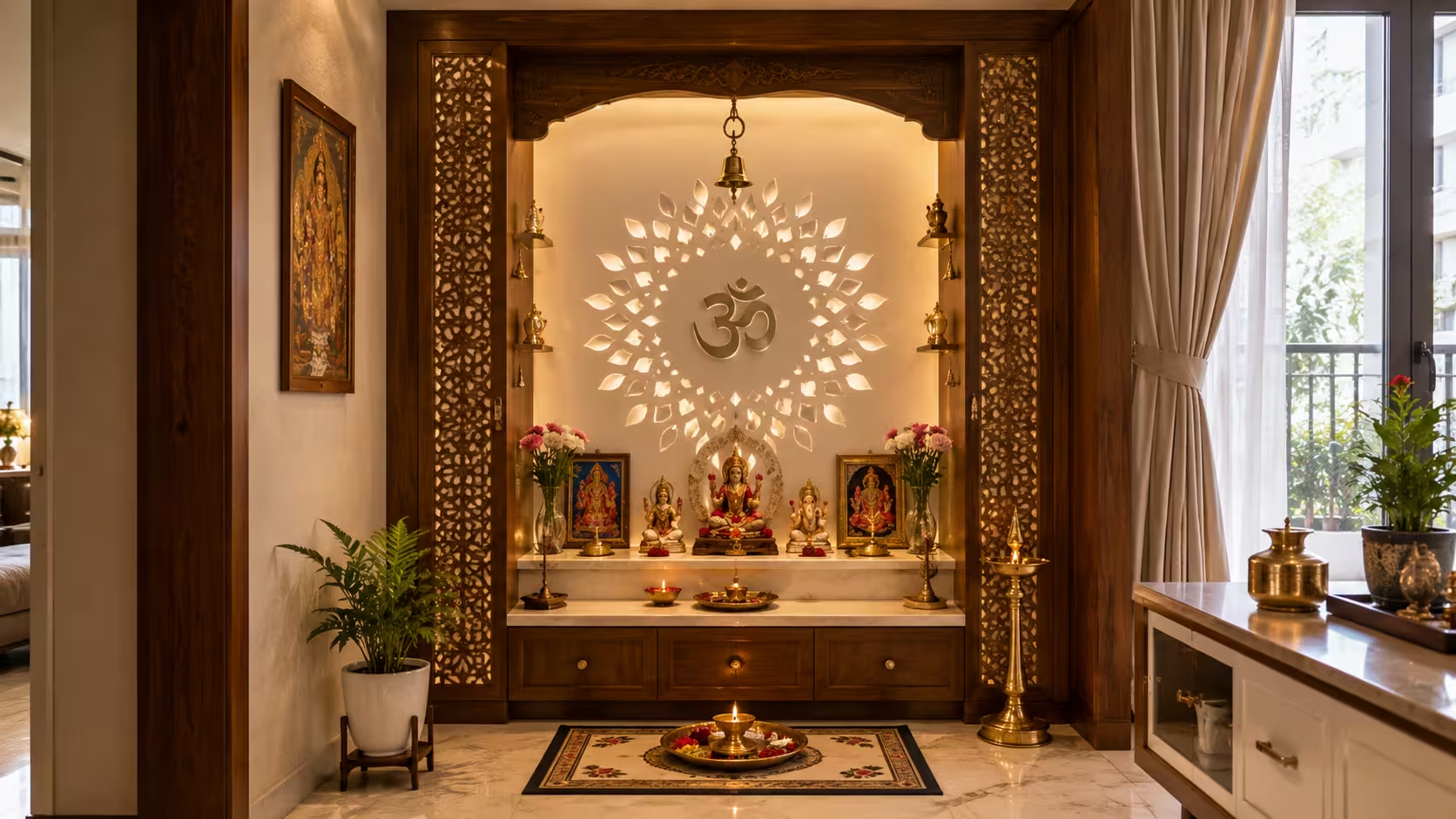
Pooja Room Vastu holds a special place in Indian homes because it connects daily worship with the flow of positive energy. Every household wants a sacred corner that feels calm, pure and spiritually charged. This is exactly where Pooja Room Vastu comes into the picture. It guides homeowners on the right direction, placement and design elements that keep the energy of a home balanced and harmonious.
Whether you live in a compact apartment or a spacious independent house, you can apply these Vastu principles to create a space that supports peace, prosperity and wellbeing. This guide explains everything you need to know about pooja room as per vastu, from ideal directions to colour schemes, materials and daily rituals, so you can design a worship space that truly works in favour of your family.
What Is Pooja Room Vastu
Pooja Room Vastu refers to the ancient Indian architectural science of Vastu Shastra applied specifically to the worship area of a home. Vastu Shastra studies the relationship between the five natural elements, namely earth, water, fire, air and space, and how their balance affects the energy of a living space. When you follow this practice, you align your worship space with these natural forces so that positive energy flows freely through your home.
Ancient sages believed that a home functions as a living organism. Every room contributes to the overall energy balance, and the pooja room acts as the spiritual heart of the house. This is why builders, interior designers and homeowners across India continue to give Pooja Room Vastu serious attention while planning new homes or renovating existing ones.
Importance Of A Vastu Compliant Pooja Room
A well planned worship space does more than support religious rituals. It shapes the emotional and mental atmosphere of the entire household. Families who invest time in getting pooja room as per vastu right often notice a calmer environment, better focus during prayers and a stronger sense of discipline in daily routines.
Vastu experts explain that an incorrectly placed worship area can disturb the energy balance of a home. This imbalance may show up as unnecessary stress, frequent arguments or a general feeling of unease among family members. On the other hand, a pooja room that follows correct Vastu guidelines supports mental clarity, strengthens family bonds and invites abundance into the household.
Real estate developers across India now factor Pooja Room Vastu into their floor plans. Many residential projects in cities such as Noida, Greater Noida and Delhi NCR include a dedicated Vastu compliant worship corner, which shows how mainstream this practice has become in modern housing design. Buyers increasingly ask about the orientation of the worship corner before finalising a flat, which reflects how seriously families take this subject today.
Pooja Room Direction As Per Vastu
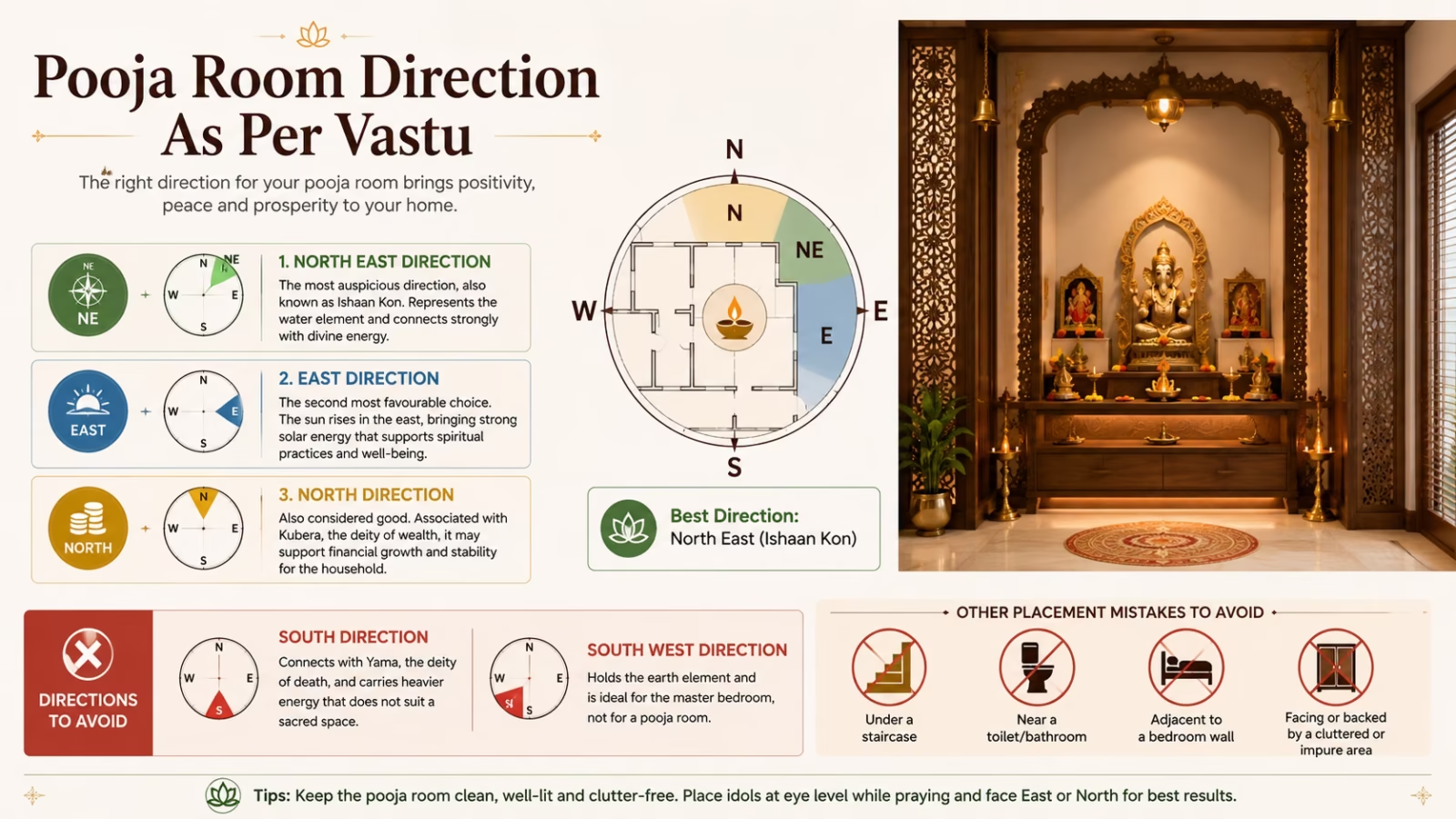
Pooja Room Direction as per Vastu is perhaps the most important factor homeowners search for before they set up their worship space. The direction in which the space faces influences how effectively positive energy circulates through a home.
North East Direction
Vastu Shastra names the north east corner, also known as Ishaan Kon, as the most auspicious direction for a worship area. This corner represents the zone of the water element and connects strongly with divine energy. Placing the space here allows morning sunlight to enter, which naturally purifies the atmosphere and sets a positive tone for the day.
East Direction
The east direction ranks as the second most favourable choice within Pooja Room Vastu guidelines. Since the sun rises in the east, this direction carries strong solar energy that supports spiritual practices. Many families position their idols so that worshippers face east while praying, which allows them to absorb this energy directly.
North Direction
The north direction also works well according to these Vastu principles. This direction associates with Kubera, the deity of wealth, so a north facing worship space may support financial growth and stability for the household.
Directions To Avoid
Vastu Shastra advises against placing a worship area in the south direction, as this zone connects with Yama, the deity of death, and carries heavier energy that does not suit a sacred space. The south west corner also does not work well because it holds the earth element and traditionally supports the master bedroom instead. Homeowners should avoid placing a pooja unit under a staircase, near a toilet or adjacent to a bedroom wall that backs onto the worship area, since these placements disturb the sanctity of the space.
Ideal Location For Pooja Room As Per Vastu
Beyond direction, the exact location within your home plays a significant role in Pooja Room Vastu. The worship space should sit on the ground floor rather than upper floors wherever possible, since this keeps the energy grounded and accessible to the entire family.
Avoid placing the unit in the bedroom if you can help it, though if space constraints make this necessary, keep the temple away from the bed and use a curtain or partition to separate the two zones. Never position it in the kitchen, bathroom or directly below a staircase, as these areas carry conflicting energies that clash with the purity a worship space requires.
The space should also avoid sharing a wall with a bathroom, since this placement is considered highly inauspicious within Pooja Room Vastu. If your home layout makes this unavoidable, Vastu consultants often recommend remedies such as adding a wooden partition or adjusting the exact placement of the idols within the room.
Placement Of Idols And Photographs
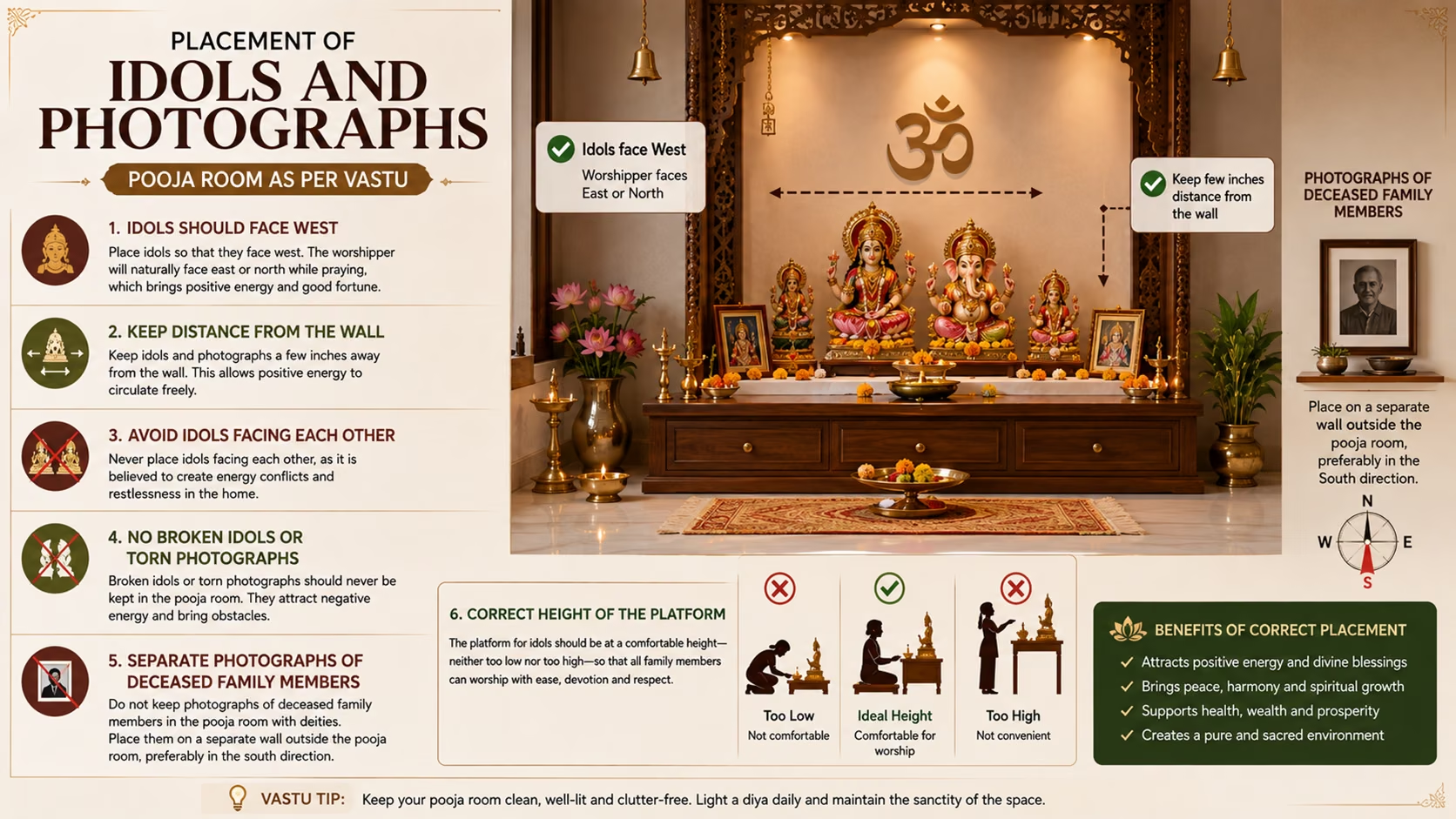
Correct placement of idols forms a core part of pooja room as per vastu guidelines. Idols should face west so that the worshipper naturally faces east or north while praying, since these directions are considered most beneficial for absorbing positive energy.
Keep idols and photographs at least a few inches away from the wall rather than pressing them directly against it. Avoid placing idols facing each other, as this is believed to create energy conflicts within the sacred space. Broken idols or torn photographs should never remain in the worship area, since Vastu Shastra considers damaged sacred items a source of negative energy.
Photographs of deceased family members should never share space with idols of deities. Vastu experts recommend placing such photographs on a separate wall outside the pooja room, ideally in the south direction of the house, to maintain the purity of the worship area.
The height of the platform on which you place your idols also matters within Pooja Room Vastu. The platform should sit at a comfortable height, neither too low nor too high, so family members of all ages can worship with ease and respect.
Read More: Where to place your Pooja Rooma in a 3 bhk apartment
Colours For A Vastu Compliant Worship Space
Colour choice significantly influences the energy of a worship space, which is why homeowners pay close attention to this element when following Pooja Room Vastu. Light and soothing shades work best because they reflect purity and calmness.
White remains one of the most recommended colours because it symbolises peace and cleanliness. Light yellow also works well, as this shade connects with spirituality and knowledge according to Vastu principles. Soft shades of blue can bring a sense of tranquillity, while light shades of pink add warmth without overwhelming the sacred atmosphere.
Homeowners should avoid dark colours such as black or deep red in the pooja room, since these shades are believed to attract negative energy and disturb the calm required for prayer. Bright or overly bold colours can also distract from the meditative purpose of the space, so it is wise to keep the palette gentle and understated.
Read More: Vastu For Home Entrance
Materials And Design Elements
Wood remains the preferred material for temple units within Pooja Room Vastu guidelines, since it represents a natural and grounding element. Teak wood and sheesham wood are particularly popular choices because they combine durability with an earthy, warm finish that suits a spiritual setting.
Marble also works well for flooring and platforms because of its natural cooling properties and clean appearance. Avoid using materials such as leather or animal products anywhere near the worship space, since these are considered impure within Vastu tradition and can disturb the sanctity of the space.
Lighting plays an important role too. Natural light should reach the pooja room wherever possible, and if additional lighting is needed, soft yellow or warm white bulbs work better than harsh white or coloured lighting. A small diya or oil lamp lit daily is believed to enhance the positive energy that this practice aims to create.
Pooja Room Vastu For Apartments And Compact Homes
Modern apartment living often means less flexibility with room placement, but the same principles can still guide sensible choices even within compact layouts. If a separate room is not possible, a dedicated corner in the north east zone of the living room or a hallway works as an effective alternative.
Wall mounted temple units have become popular in apartments because they save floor space while still following pooja room as per vastu guidelines regarding direction and placement. Foldable or compact temple designs also allow families to close the worship area when not in use, which some homeowners prefer for practical reasons.
For those living in high rise apartments, Vastu consultants generally agree that the north east direction remains the priority regardless of which floor the home sits on, since the directional principles of Pooja Room Vastu apply universally rather than only to ground floor homes.
Pooja Room Vastu For Independent Houses And Villas
Independent houses and villas offer more flexibility when applying these guidelines, since homeowners can dedicate an entire room to worship rather than a corner. In such homes, the north east room on the ground floor typically works best for a full sized worship space.
Homeowners building independent houses from scratch should discuss Pooja Room Vastu requirements with their architect at the planning stage rather than after construction, since this allows the space to receive proper ventilation, natural light and the correct directional alignment from the outset.
Common Mistakes To Avoid
Many homeowners unknowingly make mistakes that go against Pooja Room Vastu principles. Placing the worship area in the south west corner ranks among the most common errors, since this zone should ideally house the master bedroom rather than the pooja room.
Storing shoes, brooms or cleaning equipment near the space is another frequent mistake, as these items are considered impure and clash with the sanctity of the room. Keeping the pooja room cluttered with excessive decorations or too many idols can also dilute the calm energy that homeowners hope to establish.
Some homeowners place the worship area directly opposite the main entrance, which Vastu experts generally discourage because it exposes the sacred space to the energy fluctuations that come with constant foot traffic. A short distance or a partition between the entrance and the pooja room works far better according to pooja room as per vastu recommendations.
Another common oversight involves ventilation. A pooja room without proper airflow can trap stale energy, so homeowners should ensure at least one window or ventilator connects the space to fresh air and natural light wherever the layout allows.
Vastu Remedies For An Existing Non Compliant Pooja Room
Not every home is built with Pooja Room Vastu in mind from the start, and moving walls is rarely practical once a house is complete. Fortunately, Vastu consultants suggest several simple remedies for homeowners who cannot relocate their worship space entirely.
Hanging a small mirror on the wall opposite a south facing pooja room is believed to redirect energy in a more favourable manner. Placing a pyramid shaped Vastu correction tool near the entrance of the room can also help balance a less than ideal direction. If a toilet shares a wall with the worship area, placing a wooden partition or a tall plant along the shared wall is thought to reduce the negative influence.
Regular cleaning, daily prayer and keeping the space free of clutter remain the simplest yet most effective remedies available to any household, regardless of how the room is oriented within the overall floor plan.
Practical Tips To Enhance The Worship Space
Keep the pooja room spotlessly clean at all times, since cleanliness directly supports the positive energy that Pooja Room Vastu seeks to cultivate. Light incense or a diya daily, as the fragrance and flame are believed to purify the surrounding atmosphere.
Fresh flowers placed near the idols add both beauty and positive energy, while wilted or dried flowers should be removed promptly since they are thought to attract negative energy. Bells, though optional, are considered auspicious additions because their sound is believed to clear negative vibrations before prayer begins.
Store religious texts and scriptures on a shelf above the idols rather than at the same level, since Vastu tradition places sacred texts in a position of respect. Keep electronic gadgets such as televisions and mobile phones away from the pooja room, as these are thought to interfere with the spiritual calm that this practice aims to protect.
Conclusion
Pooja Room Vastu offers a time tested framework for creating a worship space that supports peace, positivity and prosperity within a home. From choosing the right direction to selecting suitable colours and materials, every element discussed in this guide plays a part in building a sacred corner that genuinely benefits the household.
Whether you are planning a new home or reworking an existing pooja room, applying these principles thoughtfully can transform a simple worship space into a source of daily calm and spiritual strength for your entire family. A little planning at the design stage goes a long way towards keeping the household grounded, focused and at peace for years to come.
Thinking about designing a home that balances tradition with comfort? Explore expert guides on Vastu, interior design and property insights at Zen Nest Living, and turn every corner of your home into a space filled with positivity, style and lasting peace.
Frequently Asked Questions
1. Which is the best direction for a pooja room as per Vastu?
The north east direction, known as Ishaan Kon, is considered the most auspicious for a worship space, followed by the east and north directions, since these zones allow morning sunlight and positive energy to enter the room naturally.
2. Can a pooja room be placed in the bedroom according to Vastu?
Yes, a worship corner can be placed in a bedroom if space is limited, but it should stay away from the bed and ideally sit behind a curtain or partition so the pooja area remains separate from the sleeping zone.
3. What colours should be avoided in a pooja room as per Vastu?
Dark shades such as black and deep red should be avoided in a worship space, since Vastu Shastra considers these colours capable of attracting negative energy and disturbing the calm required for prayer and meditation.
4. Why should a pooja room not be placed near a toilet?
A worship space placed near or sharing a wall with a toilet is considered highly inauspicious in Vastu Shastra, since the two areas carry conflicting energies that can disturb the purity and sanctity of the sacred corner.