
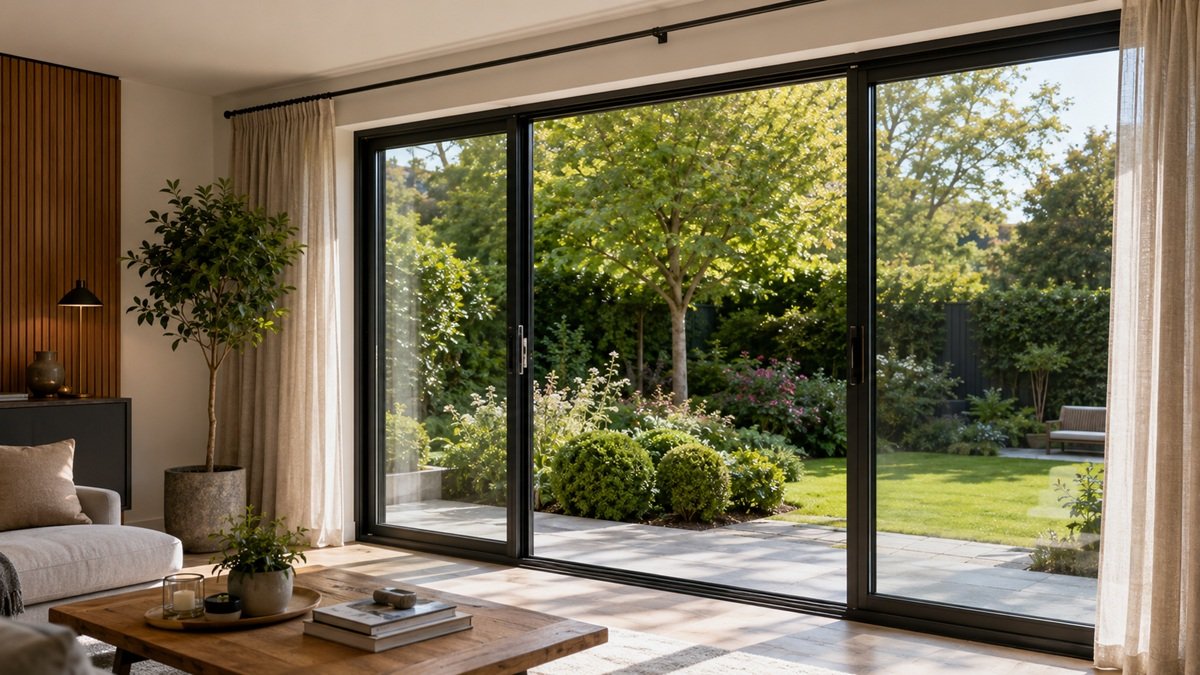
Sliding windows have become one of the most requested features in modern homes across the UK, and a thoughtful sliding window design can transform how a room feels, functions and connects with the outdoors. Homeowners are moving away from bulky frames and fiddly hinges, choosing instead a smoother style that offers clean lines, wide glass panels and effortless operation. This guide walks through the ideas, materials and placement tips that make this window style work well in real homes, whether you are renovating a period property or planning a new build.
Why Sliding Window Design Matters for Modern Homes
A well planned sliding window design does far more than let light into a room. It changes the way a space breathes. Unlike casement windows that swing outward or inward, this window style moves horizontally along a track, which means it never intrudes into the room or the garden. This makes it a practical choice for tight balconies, narrow corridors and compact living rooms where every centimetre counts.
Sliding windows also suit the British climate better than many homeowners assume. Modern seals and double glazed units keep draughts out while still allowing the sash to glide smoothly. A good sliding pane pairs insulation with ease of use, so families get comfort without sacrificing style.
Key Benefits of Sliding Windows
Before exploring specific ideas, it helps to understand why so many architects and interior designers recommend this window style for both new builds and renovations.
Space efficiency stands out first. Because the sash slides sideways rather than swinging open, furniture, curtains and outdoor seating can sit close to the window without any risk of collision.
Natural light improves significantly too. Large glass panels let sunlight flood into living rooms, kitchens and bedrooms, which reduces the need for artificial lighting during the day and can lower energy bills over time.
Ventilation control is another advantage. Homeowners can open the window as much or as little as they like, giving precise airflow that suits every season.
Visual continuity between indoors and outdoors also improves. A sliding window frames garden views like a picture, which appeals strongly to buyers browsing property listings and estate agents photographing homes for sale.
Popular Sliding Window Design Ideas
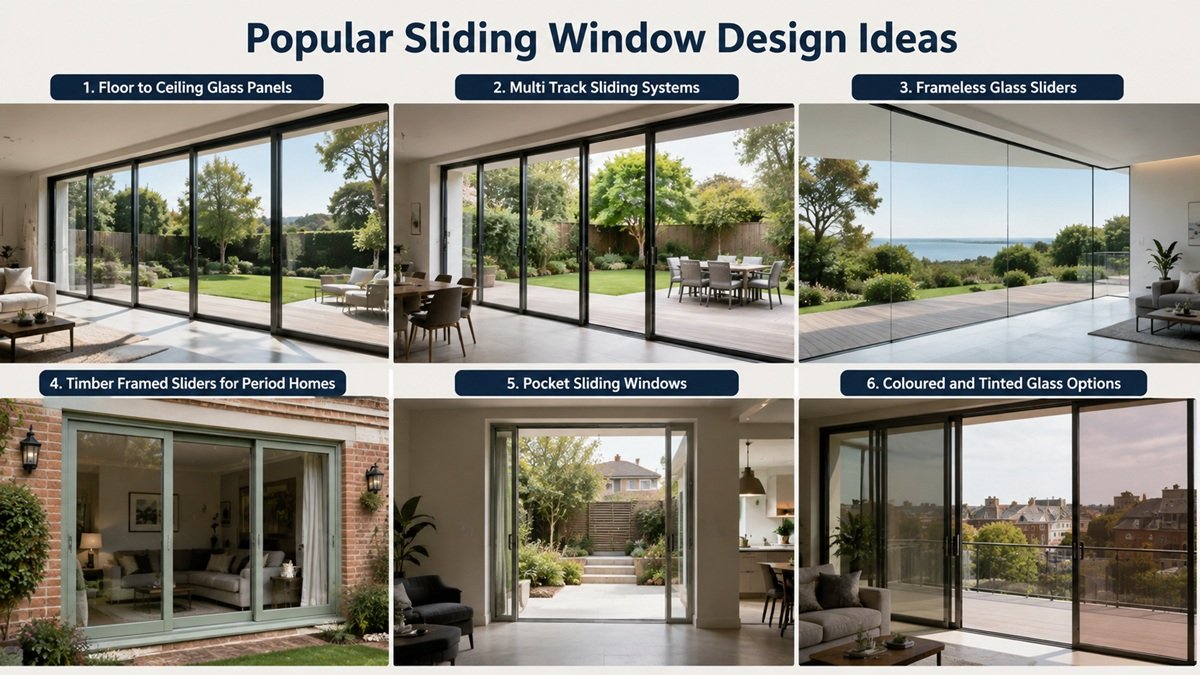
Floor to Ceiling Glass Panels
One of the most striking ideas is a floor to ceiling slider that stretches from skirting board to ceiling. This style suits open plan kitchens, garden rooms and extensions where homeowners want an unbroken view of the outdoors. It works particularly well in properties that back onto gardens, courtyards or countryside.
Multi Track Sliding Systems
Multi track systems allow two or more panels to move independently along parallel rails. This is ideal for wide openings, such as those found in loft conversions or open plan living spaces, because it lets homeowners open the entire width of a wall when the weather allows.
Frameless Glass Sliders
Minimalist frameless sliders remove visible metal or timber edges almost entirely. This sliding window design suits contemporary properties and works particularly well in extensions where the goal is to blur the line between the kitchen and the garden.
Timber Framed Sliders for Period Homes
Not every property suits ultra modern glass. For Victorian, Edwardian or Georgian homes, a timber framed sliding window design keeps the character of the building intact while still offering smoother operation than traditional sash cords. Painted timber frames in heritage colours such as sage green, charcoal or off white sit comfortably alongside period brickwork.
Pocket Sliding Windows
Pocket systems allow the sash to disappear entirely into the wall cavity when fully open. This idea works brilliantly for garden rooms, conservatories and bi fold style openings where homeowners want an uninterrupted connection to a patio or terrace during warmer months.
Coloured and Tinted Glass Options
Adding a subtle tint or coloured film to the glass can reduce glare and improve privacy without blocking natural light entirely. Bronze, grey and soft blue tints are popular choices for homes that face busy streets or have close neighbours.
Read More: Window Grill Design Ideas
Choosing Materials for a Sliding Window Design
Material choice affects both the appearance and the longevity of any sliding pane. uPVC remains a budget friendly option that resists rot and requires little maintenance, making it suitable for rental properties and family homes alike.
Aluminium frames offer slimmer sightlines and greater strength, which allows for larger glass panels without compromising structural integrity. This material suits contemporary extensions and properties where uninterrupted views matter most.
Timber remains the preferred choice for heritage properties, though it requires more regular upkeep, including repainting or resealing every few years to prevent warping from moisture.
Composite frames combine timber on the interior with aluminium or uPVC on the exterior, giving homeowners the warmth of wood indoors with weatherproof protection outside.
Placement Tips for a Sliding Window Design
Positioning matters as much as the window itself. South facing rooms benefit from solar control glass to prevent overheating during summer months. North facing rooms, by contrast, can use clear glazing to maximise the limited natural light available.
Bedrooms often suit smaller sliding panels paired with fixed glass to balance privacy with ventilation. Kitchens and dining areas, however, benefit from wider openings that connect directly to a garden or patio, encouraging indoor outdoor living during warmer weather.
Corridors and stairwells are frequently overlooked spaces where a narrow sliding pane can introduce light without requiring extra floor space for an opening sash.
Maintenance and Longevity
A sliding window design generally requires less maintenance than traditional hinged windows because it has fewer moving parts under strain. Cleaning the track regularly prevents dust and debris from affecting smooth operation. Lubricating rollers once or twice a year keeps the sash gliding without sticking, particularly in coastal areas where salt air can accelerate wear.
Checking seals annually helps maintain energy efficiency, since worn rubber gaskets are one of the most common causes of draughts in ageing installations.
Also Read: Box Window Grill Design Ideas
Sliding Window Design Trends for 2026
This year, homeowners are showing strong interest in slimline aluminium frames paired with triple glazing for improved thermal performance. Black and bronze finishes continue to gain popularity over traditional white or silver frames, giving properties a more modern and premium appearance.
Smart glass that adjusts tint automatically based on sunlight is also entering the mainstream, moving beyond luxury new builds into mid range renovation projects. Combined with automated locking systems, this window style in 2026 increasingly doubles as both a security feature and a statement piece.
Cost Considerations and Return on Investment
Budget plays a major role in shaping which style suits a property. uPVC sliders sit at the more affordable end of the market and offer a sensible starting point for homeowners working with tighter budgets, while still delivering solid thermal performance and years of reliable use. Aluminium versions cost more upfront but reward homeowners with slimmer frames, larger glass areas and a longer lifespan, which can add genuine appeal when a property eventually goes on the market.
Timber sliders tend to sit at the premium end, particularly when custom sized for period openings, yet they often deliver the strongest visual impact for heritage properties where kerb appeal matters. Estate agents frequently note that bright, well glazed rooms photograph better and attract more viewings, which makes the investment worthwhile for sellers as much as for those planning to stay put for years to come.
It is also worth factoring in installation costs, building regulations and, where relevant, planning permission for listed buildings or conservation areas. A short conversation with a qualified installer before ordering glass can prevent costly mistakes and ensure the finished opening complies with current thermal efficiency standards.
Final Thoughts
Choosing the right sliding window design comes down to balancing light, space, style and the character of the property itself. Whether the goal is a dramatic floor to ceiling opening in a new extension or a sympathetic timber replacement in a period home, there are options suited to almost every budget and architectural style. Taking time to consider materials, placement and maintenance before installation ensures the finished result adds genuine value, both in daily living comfort and in long term property appeal.
Thinking about updating your windows or preparing your property for sale? Zen Nest Living helps homeowners plan renovations that boost comfort, light and value. Contact our team today for tailored guidance, honest advice and practical next steps for your home.
Frequently Asked Questions
1. Is a sliding window design suitable for small rooms?
Yes. Because the sash moves horizontally rather than swinging outward, it saves floor space and works particularly well in compact bedrooms, bathrooms and corridors.
2. Does this window style provide good insulation?
Modern versions with double or triple glazing and quality seals perform well thermally, often matching or exceeding the insulation offered by casement alternatives.
3. How long does a sliding window design typically last?
With regular maintenance, uPVC and aluminium versions can last twenty to thirty years, while well maintained timber frames can last even longer.
4. Can a sliding window design be added to a period property?
Yes, provided the style and materials respect the building’s character. Timber framed versions with slim profiles are usually the most sympathetic choice for older homes.