
Purchasing a house is one of the most significant monetary choices of your life. You save for years. You arrange a loan. The builder is fully trusted.
A harsh reality for many homebuyers across India is uncovered after they move in. The apartment they are given is smaller than what was promised. This is the crux of the Carpet Area Super Area controversy.
But the Carpet Area Super Area dispute has impacted lakhs of buyers in Delhi, Mumbai, Bengaluru and Pune. Builders put in a high figure in their brochures. The buyer assumes that number is the space that they will live in. The outcome is monetary damages and a feeling of betrayal.
This guide will help you understand both terms in layman’s language. It explains why conflicts occur and the current state of the law. It also provides you with some steps you can take to safeguard your finances.
What Is Carpet Area?
Carpet Area is the effective space of your flat. It’s the space that you can actually put a carpet on. This includes your bedrooms, living room, kitchen, bathrooms and internal passages.
Carpet area does not take into account the thickness of your walls. Yes, under RERA, it does cover enclosed balconies, but not open balconies. As per RERA, carpet area is the net usable area of an apartment.
This definition is mandatory for all the projects registered under RERA in India. Builders are required to specify the carpet area explicitly in all the sale documents. Carpet area is approximately 70-80% of the super area.
This means a builder’s 1,200 square feet could actually be 840 to 960 square feet.
What Is Super Area?
Super area or Super built up area is the total area for which you pay. It consists of your carpet area along with a proportion of common areas. These common spaces include staircases, lifts, lobbies, corridors and clubhouses.
Super area is a percentage added to the carpet area by builders. This percentage is termed as a loading factor. Typically 20-50% depending on the project.
Let’s look at a very basic worked example. The carpet area of your flat is 800 sq.ft. The builder uses a loading factor of 35 per cent.
Your super area is now 1080 sq.ft. 1,080 square feet of space is paid for but only 800 square feet is actually used.
There is no fixed formula in the Government to determine this loading factor, which builders have to work out themselves. The way each builder builds is different. It is this absence of one norm that is the cause of most of the property conflicts in India.
What Is Built-Up Area?
Many people think that the built up area is the same as the super area, which is not correct. Built-up area is the carpet area plus the area of internal walls and columns. It also comes with your own balcony.
Super area is one step more than built-up area. It includes your portion of the common areas of the whole building. They are ordered as carpet area, built-up area, and super area.
All three terms are often used indiscriminately within a single brochure by builders. This is not a coincidence, but an intentional confusion. Always have your builder verify each number in writing.
Carpet Area vs Built-Up Area vs Super Area
| Area type | What it includes | Typical share of super area |
|---|---|---|
| Carpet area | Usable floor space inside the flat only | 65 to 80 percent |
| Built-up area | Carpet area plus internal walls and balcony | 80 to 90 percent |
| Super area | Built-up area plus a share of lobbies, lifts, and clubhouse | 100 percent |
This table makes the Carpet Area Super Area dispute easy to visualise. The number that matters most for daily living is always the smallest one.
The Carpet Area Super Area Dispute Explained
Carpet Area Super Area dispute occurs when the buyer pays for super area and receives carpet area space. Super area is used by the builders when they advertise flats, which makes it appear bigger on paper. It also looks like a better per sq. ft. price when it’s divided by a larger number.
A super area figure impresses buyers and they book a flat. In their minds, they envision a large house. At the moment of possession, they discover the actual space and it is much less.
In many city projects, this gap can be as large as 200 to 400 square feet. The difference at today’s rates can cost several lakhs of rupees. Obviously, the buyer feels ripped off and begins to seek legal recourse.
Why Builders Prefer Quoting Super Area
There is one obvious reason why builders like super area. It creates the illusion of a larger space than it actually is. A home advertised at 1,500 sq. ft. is more appealing than a home advertised as 1,050 sq. ft.
Quoting super area also allows for the builders to be able to earn more total money from each buyer. At first glance, the rate per square foot may appear to be reasonable. However, buyers are paying for staircases, pump rooms and security cabins that they never use.
The Loading Factor Problem
The loading factor is the source of most of the Carpet Area Super Area dispute cases. Builders use various loading percentages, but do not adequately describe the method used. Some even include swimming pools and utility shafts in this factor.
The loading factor of approximately 25 per cent is fair. If it’s more than 35 percent, you should start to wonder. However, today many city builders are using loading factors of 45 percent or more.
You can use this formula to check any project yourself in a flash.
Loading factor = (Super area – Carpet area)/Carpet area X 100
Suppose that your carpet area is 750 square feet and your super area is 1050 square feet. Subtract 750 from 1,050 to get 300. Divide 300 by 750, then multiply by 100. Your loading factor is right on the high end, 40 percent.
The number is usually not verified by most buyers when they sign their sale agreement. They believe in the builder and believe that the maths is fair. It is only after they move in together that they find out the truth.
Carpet Area Super Area Dispute is a Major Issue Under RERA
RERA brought a revolution to the Indian real estate industry upon its implementation in May 2017. It implemented one of the most consumer-friendly regulations – compulsory carpet area pricing. This one change directly addresses the Carpet Area Super Area controversy.
As per RERA, builders are required to register all projects and provide carpet area. Carpet Area should be mentioned separately in Sale Agreements. Super area cannot be used as a basis for pricing or advertising flats in RERA registered projects.
This reform safeguards millions of consumers against deceptive area maths. With a price based on carpet area, you’ll understand what you’re buying. No hidden loading factor to worry about.
Key RERA Provisions That Protect Buyers
In case of any area dispute, RERA provides robust rights for the buyers. If the carpet area is less than what was promised at the time of possession, the builder will have to refund the amount. This refund is in addition to interest.
As per RERA, if the carpet area changes by more than 3 percent, you must give your written permission. If a builder makes a reduction in your flat without your consent, then you can cancel the booking. The builder then has to refund you the entire amount with interest.
Under the law, State RERA authorities have to solve the grievances of buyers within 60 days. Breaching the RERA regulations can lead to penalties of up to 10% of the project cost for the builders. In the event of a serious violation, it may even result in up to three years imprisonment.
RERA also mandates that builders deposit 70 per cent of the amount collected in an escrow account. This will prevent builders from using your funds for projects that are not relevant.
Common Types of Carpet Area Super Area Dispute Cases
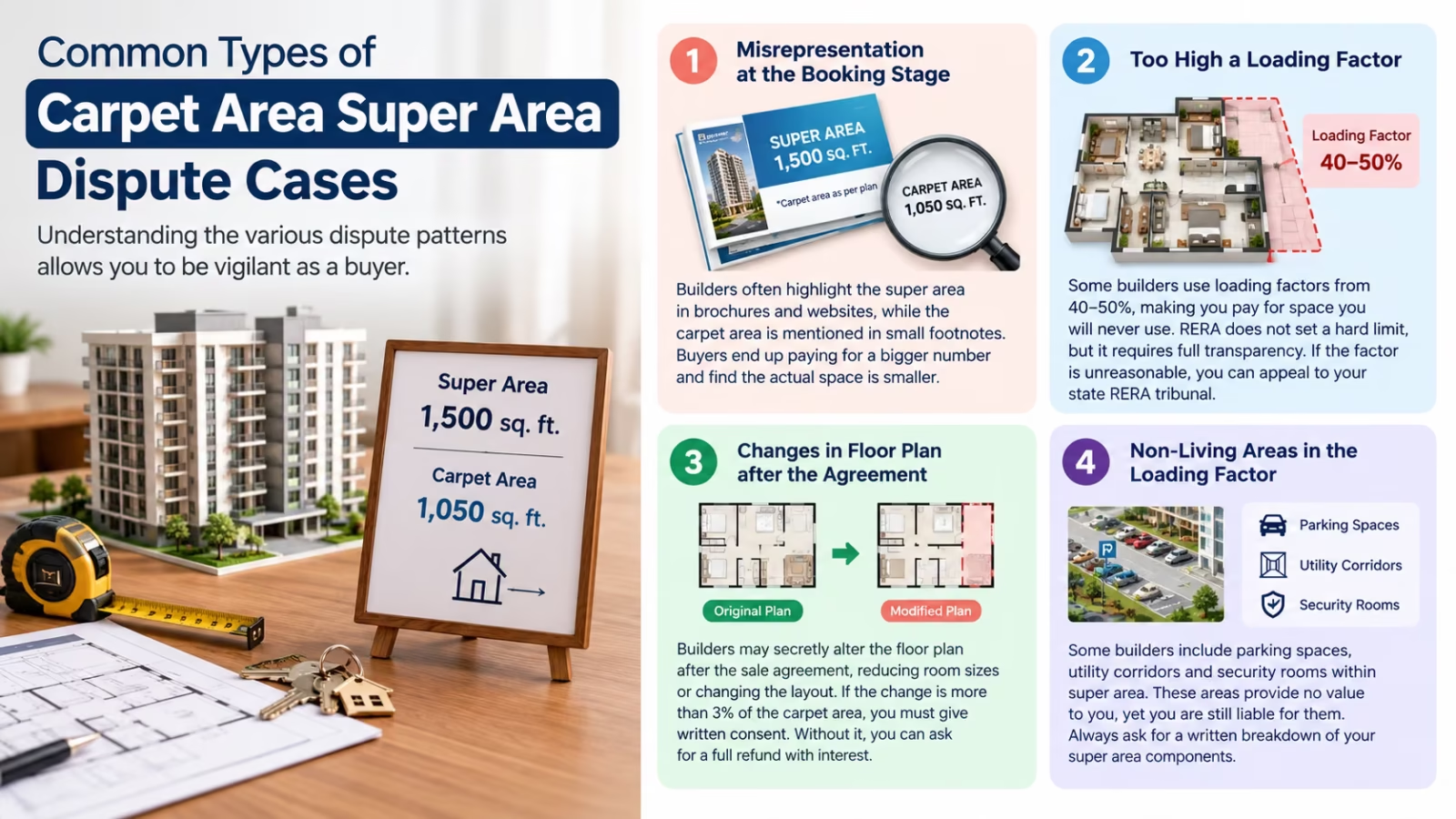
Understanding the various dispute patterns allows you to be vigilant as a buyer.
Misrepresentation at the Booking Stage
This is the most prevalent type of Carpet Area Super Area controversy. Super Area is a term that is highlighted by builders in brochures and on websites. Carpet area is frequently mentioned in small footnotes.
People purchase a flat according to the big and good looking number. Upon their entry in the apartment, it seems smaller. Measurement shows that the carpet area is significantly less than advertised.
Too high a loading factor
Some builders use loading factors from 40-50 percent on a project. Buyers end up paying for space that they will never be able to use themselves. The real shock occurs when they actually calculate their actual cost per square foot used.
RERA does not specify any hard limit on the loading factor. It does require complete transparency on how builders calculate it, however. If the loading factor is unreasonable, the buyers can appeal to their state RERA tribunal.
Changes in floor plan after the Agreement
Some builders secretly alter the floor plan after the sale agreement is signed. They reduce the dimensions of rooms or change the positioning of things during construction. This directly decreases the carpet area that the buyer will ultimately get.
If it is more than 3 percent of carpet area, it must have your written consent per RERA. Builders that do not take this consent are breaking the law. You can then ask for a complete refund with interest.
Non-Living Areas in the Loading Factor
Some builders include parking spaces, utility corridors and security rooms within super area. These areas provide no value to the home buyer. However, the buyer is still liable for them as part of the flat rate.
Always ask for a breakdown, in writing, of your super area components. Specifically inquire about what is included in the common areas and what is part of the technical areas.
Steps to Take If You Face This Dispute
Act quickly and methodically if you suspect your builder has shortchanged you.
- First, review your sale agreement line by line. Check whether carpet area is stated clearly and separately. Note the loading factor percentage if it is mentioned at all.
- Second, hire a licensed civil engineer or architect for an independent check. Ask them to physically measure your apartment’s true carpet area. Get their findings in an official, signed report.
- Third, send a formal legal notice to your builder without delay. State the exact area discrepancy in clear numbers. Demand a refund of the excess amount you were charged.
- Fourth, file a complaint on your state’s official RERA portal. Attach your sale agreement, measurement report, and payment receipts. State RERA authorities can order refunds and penalise builders who break the rules.
- Fifth, approach your local consumer forum if RERA proceedings feel slow. Consumer courts can also award compensation for harassment and financial loss on top of a refund.
Precautions to Take Before You Buy
There are a few steps to take before signing that can save you years of legal hassles down the road.
Never accept a quote from your builder on the basis of super area, it should always be on carpet area. Verify the carpet area mentioned on the RERA registration page of your state. Check RERA registration of the project before paying any booking amount.
Read through your sale agreement carefully before signing. Read each area clause and loading factor carefully. It’s a good idea to get a real estate lawyer to look at the agreement before you sign it.
Request your builder to provide you with a floor plan that includes specific and labelled dimensions. Check those dimensions or have them checked by a trusted individual. Retain all brochures, price lists and emails from the first day of booking.
If a builder refuses to provide the carpet area in writing, then it’s a red flag. A true builder will never be afraid to tell a serious buyer what the carpet area is.
State RERA Portals for Filing Your Complaint
There is no single RERA office, instead, RERA operates through different state-level bodies. Every state has its own website to register and file complaints. When a Carpet Area Super Area dispute occurs, having knowledge of your State’s Portal can save you time.
- Delhi buyers can view project details and file complaints on Delhi RERA portal.
- MahaRERA is one of the most active and buyer-friendly authorities across the country that the Maharashtra buyers depend on.
- The UP RERA portal is utilized by buyers in Uttar Pradesh, including Noida and Greater Noida.
- K-RERA is available to the buyers in Karnataka for projects in Bengaluru and around. Each portal allows you to search for a project by name and display the project’s registered carpet area. If you check this number before booking, you can prevent a dispute altogether.
Take it seriously if your builder’s marketing material doesn’t reflect what is written on the RERA portal listing. This is usually the first visible symptom of trouble brewing down the road.
What Courts Have Ruled on Area Disputes
In the case of Carpet Area vs Super Area, the Indian courts have always ruled in favour of the Buyer. The NCDRC has declared the demand of excess area as an unfair trade practice in the case of Pawan Gupta versus Experion Developers Private Limited. The builder’s appeal to the Supreme Court of this decision was subsequently thrown out.
The NCDRC has consistently ruled that builders cannot insist on additional payment for area expansion in absence of any justification. Some of the state RERA authorities have issued directions for providing a complete refund with interest to aggrieved consumers. Increasingly, area misrepresentation has become a consumer law unfair trade practice.
This is a clear trend in the law that is in favour of the buyer who is aware and acts quickly. The builder is now liable to financial penalties and real reputation loss for misrepresentation of area.
GST Impact on the Carpet Area Super Area Dispute
GST adds another layer of cost to the Carpet Area Super Area dispute. Under-construction flats attract 5 percent GST for standard homes. Affordable housing attracts only 1 percent, and neither rate allows input tax credit. Affordable housing generally means a price up to 45 lakh rupees. It also needs a carpet area under 60 square metres in metros, or 90 square metres elsewhere.
Builders charge this GST on your total agreement value, not on carpet area alone. This means you pay tax on an inflated super area price, despite receiving a smaller usable home. A higher loading factor therefore quietly increases your overall tax outgo as well.
Always ask your builder for a clear cost breakup showing base price, GST, and other charges separately. This transparency stops you from indirectly funding a high loading factor through extra tax.
How to Independently Verify Your Carpet Area
Never rely only on figures your builder gives you. Start by requesting the RERA-approved floor plan for your specific unit. This document shows the official, registered carpet area measurement.
Hire a licensed architect or civil engineer to physically measure your flat. They follow standard protocols to calculate net usable area, excluding wall thickness. This report becomes your strongest evidence in any future dispute.
Cross-check your builder’s figure against your project’s listing on the state RERA portal. Every RERA-registered project must display carpet area details publicly online. Any mismatch between the portal and your agreement is a serious warning sign.
Keep your engineer’s report, RERA screenshots, and builder emails organised in one folder. This documentation becomes essential if you ever need to file a formal complaint.
Documents to Keep Ready Before Filing a Complaint
Strong documentation decides most area-related cases at RERA and consumer forums. Gather these papers well before you approach any authority.
- Signed sale agreement and allotment letter.
- All payment receipts and bank statements.
- Brochures, price lists, and floor plans from the builder.
- Independent architect or engineer measurement report.
- Screenshots of the project’s RERA portal listing.
- Written communication with the builder, including emails and notices.
Organise these files chronologically before you file anything. A clear paper trail speeds up your case significantly and strengthens your claim.
Conclusion
The Carpet Area Super Area dispute remains one of India’s most common real estate problems. Many buyers fall into this trap simply because they never learned the difference between these terms. Builders exploit this gap through fine print and vague brochures.
RERA has meaningfully improved transparency in the market since 2017. But the law alone cannot protect you if you skip reading your own agreement. Your awareness remains the single most powerful tool you have.
Know exactly what you are paying for before you sign anything. Verify every number your builder gives you, in writing. Ask direct questions, and consult a lawyer if something feels unclear.
If you discover you have been shortchanged on area, act without delay. File your complaint with RERA and gather your evidence early. The law stands firmly on the side of an informed buyer.
Your home represents years of savings and genuine sacrifice. You deserve every single square foot you have paid for.
Planning a home purchase and want expert guidance before you sign anything? Zen Nest Living helps you understand real estate paperwork, verify project details, and make confident, well-informed buying decisions.
Frequently Asked Questions
1. What is the difference between carpet area and super area?
Carpet area is the actual usable floor space inside your flat. Super area adds a share of common building spaces like lobbies and lifts on top of that.
2. Is it legal for builders to charge on super area under RERA?
No. RERA-registered projects must disclose and price flats based on carpet area, not super area alone.
3. What loading factor is considered reasonable in India?
A loading factor around 25 percent is generally seen as fair. Anything above 35 percent deserves closer scrutiny from the buyer.
4. Can I get a refund if my carpet area is smaller than promised?
Yes. Under RERA, builders must refund the proportional excess amount with interest if delivered carpet area falls short.
5. Where can I file a complaint about an area dispute?
You can file a complaint on your state’s official RERA portal. Attach your agreement and measurement report as evidence.
6. Does GST apply to the extra loading factor space?
Yes. GST is charged on your total agreement value. A higher loading factor therefore increases your overall tax outgo too.
